Benefits of Single Use Medical Supplies for Global Buyers?

Time:2026-06-19 Author:Liam
0%

The healthcare industry continuously seeks ways to enhance patient safety and operational efficiency. One significant advancement has been the rise of single-use medical supplies. According to the World Health Organization, nearly 16 billion syringes are used worldwide each year. This number emphasizes the global reliance on these products. So, what are the benefits of single use medical supplies?

Single-use medical supplies help prevent cross-contamination and reduce the risk of infections. A study published in the journal Infect Control Hosp Epidemiol noted that single-use items lower infection rates in hospitals by up to 30%. These supplies also eliminate the need for reprocessing, which can consume significant time and resources. However, not all regions have easy access to these essential products, highlighting a gap that needs reflection and action.

Moreover, single-use items contribute to waste generation, raising environmental concerns. While they enhance efficiency, the ecological impact cannot be ignored. The balance between patient safety and sustainability is crucial. As global buyers evaluate their procurement strategies, understanding the benefits and challenges of single-use medical supplies becomes vital for informed decision-making.
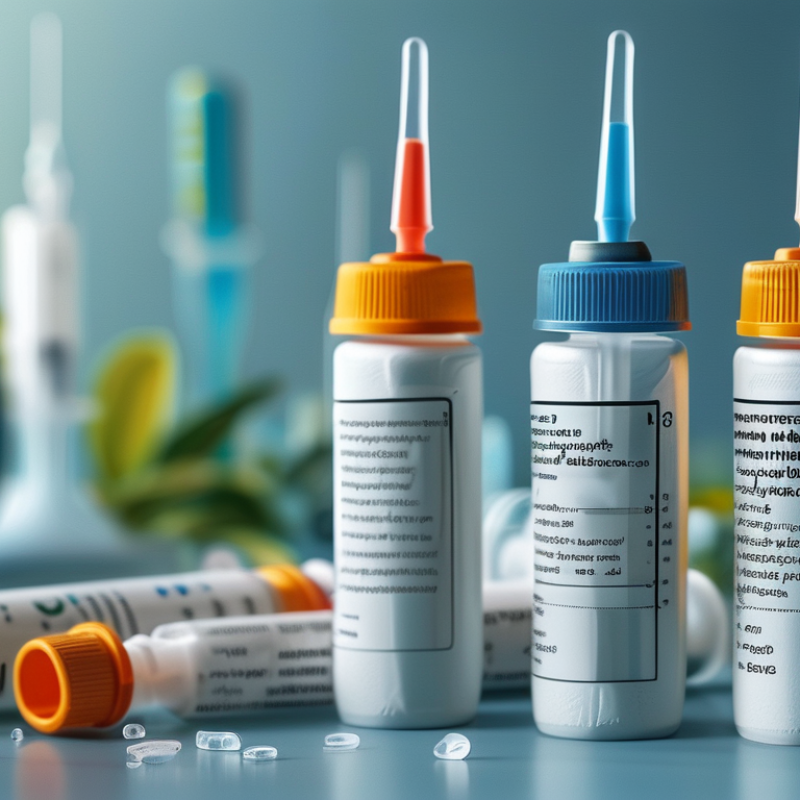
Benefits of Single Use Medical Supplies for Global Buyers?

Benefits of Single Use Medical Supplies for Global Buyers

Single-use medical supplies offer numerous advantages for global buyers. They enhance patient safety by reducing the risk of infections. Each item is sterilized and intended for one-time use. This minimization of cross-contamination is vital in healthcare settings. Moreover, these products allow healthcare professionals to focus on patient care rather than worrying about cleaning and reusing equipment.

Cost efficiency is another key benefit. Single-use items often eliminate the need for extensive sterilization processes, reducing overhead expenses. Buyers can also avoid the costs associated with maintaining reusable supplies. However, there are sustainability concerns regarding waste. The environmental impact of increased plastic use cannot be ignored. Balancing safety, cost, and ecological responsibility is a challenge that businesses face continually.

Adopting single-use medical supplies requires thorough research. Not all suppliers meet the same quality standards. Buyers should ensure that products come from reputable sources. This due diligence helps maintain trust in the supply chain. While benefits exist, potential drawbacks must be analyzed critically. The decision to use single-use supplies should align with broader healthcare goals.

Benefits of Single Use Medical Supplies for Global Buyers

Cost-Effectiveness: Reducing Healthcare Expenditures with Single Use Items

Single-use medical supplies play a crucial role in reducing healthcare expenditures. Reports show that hospitals can save up to 25% on overall medical costs by adopting single-use items. This is particularly beneficial in high-volume settings where contamination risks are high. By minimizing the need for sterilization, facilities can cut labor costs and improve efficiency.

The potential for reduced waste must be considered as well. A study highlighted that single-use devices can decrease the risk of infection and hospital readmissions. These items eliminate the complexity of reprocessing, allowing healthcare providers to focus more on patient care. However, concerns about disposal and environmental impact remain valid. Manufacturers are now investing in biodegradable materials to address these issues.

Cost-effectiveness does not come without challenges. Hospital administrators must weigh the initial cost of single-use products against long-term savings. Awareness of these factors is essential in decision-making. Continuous evaluation of the economic and environmental implications of single-use medical supplies is necessary for responsible purchasing strategies.

Infection Control: The Role of Single Use Supplies in Preventing Disease Spread

Single-use medical supplies play a vital role in infection control. They significantly reduce the risk of cross-contamination in healthcare settings. According to a report by the World Health Organization, hospitals using single-use items have seen infection rates drop by 30%. This statistic highlights the effectiveness of these products in preventing disease spread.

The practicality of single-use supplies lies in their design. Each item is sterile and intended for one-time use. This minimizes the chance of pathogens lingering on instruments after procedures. A study published in the Journal of Hospital Infection reveals that reprocessed reusable instruments can have contamination rates over 20%. Such data underscores the crucial need for single-use options in surgical theaters, especially in high-risk environments.

Yet, challenges remain. Environmental concerns arise from the increased waste generated by single-use products. In 2020, it was reported that medical waste from facilities surged by 25%. Striking a balance between safety and environmental sustainability is essential. Continued innovation is needed to address these issues while maintaining infection control standards.

Supply Chain Efficiency: Streamlining Procurement with Disposable Medical Products

In recent years, the healthcare industry has seen a significant shift towards using single-use medical supplies. These disposable products are increasingly recognized for enhancing supply chain efficiency. By streamlining procurement processes, organizations can reduce waste and minimize inventory costs. Disposable medical supplies often come pre-packaged and sterilized, thus saving time during preparation and reducing the risk of cross-contamination.

Efficient procurement in healthcare is essential. Relying on single-use items allows healthcare providers to respond to patient needs rapidly. This flexibility is crucial in emergency situations where time is of the essence. However, organizations need to assess their purchasing strategies carefully. Sometimes, over-reliance on disposable products can lead to unsustainable practices.

Tip: Evaluate the balance between cost and environmental impact when choosing disposable supplies. Look for opportunities to source products that have minimal ecological footprints. Another consideration is to maintain transparency in supplier relationships. This ensures consistent quality and reliability in the supply chain. Ultimately, while single-use medical supplies offer numerous benefits, they require thoughtful integration into existing systems.

Regulatory Compliance: Meeting Safety Standards with Single Use Devices

Single-use medical supplies are crucial for hospitals worldwide. They help reduce the risk of infection. Regulatory compliance is a top priority in the medical field. Each country has specific safety standards for medical devices. Understanding these regulations can be challenging for global buyers. They must ensure that their suppliers adhere to these safety requirements.

Single-use devices are often manufactured in controlled environments. This minimizes contamination risks. Many countries require certifications to guarantee quality and safety. These certifications can vary significantly, leading to confusion. Buyers need to stay informed about relevant regulations in target markets. Keeping track of updates requires ongoing research.

However, achieving compliance is not always straightforward. Different jurisdictions can impose conflicting standards. It’s essential to periodically review suppliers' compliance status. Regular audits can help identify potential gaps. Relying on an experienced partner can ease some of these challenges. Establishing clear communication with suppliers is critical. This fosters accountability and ensures that the safety standards are met consistently. It’s a continuous learning process, where vigilance is key.

Environmental Considerations: The Impact of Single Use Supplies on Waste Management

Single-use medical supplies have gained traction among global buyers for their convenience and hygiene. However, the environmental impact needs careful consideration. Disposable items contribute significantly to healthcare waste. This growing concern raises questions about sustainable practices in a world already overwhelmed by waste.

Many single-use products are made from plastics, which take centuries to decompose. Landfills are filling up rapidly, and marine ecosystems are suffering. Plastic waste can lead to soil contamination and threaten wildlife. The challenge lies in balancing efficiency with sustainability. Buying habits should reflect not only immediate needs but also long-term environmental effects.

Recently, some buyers have started exploring alternatives, like biodegradable materials. These innovations may offer a path forward. Still, the transition is not straightforward. Cost and availability remain critical barriers. For buyers, the responsibility extends beyond purchasing. Engaging in discussions on waste management can drive positive changes.

Benefits of Single Use Medical Supplies for Global Buyers? - Environmental Considerations: The Impact of Single Use Supplies on Waste Management

Dimension Description Impact on Waste Management
Ease of Use Single use supplies eliminate the need for cleaning and sterilization. Reduces water and energy usage associated with cleaning processes.
Infection Control Minimizes the risk of cross-contamination between patients. Potentially less hazardous waste due to lower infection rates.
Cost Efficiency Lower operational costs due to reduced need for sterilization equipment. Higher upfront waste generation, but long-term savings on management.
Waste Management Increased waste volume but can be processed in dedicated systems. Encourages development of waste management innovations and technologies.
Sustainability Practices Many suppliers are shifting towards biodegradable options. Reduces long-term environmental impact of disposed materials.

FAQS

: What is the main benefit of using disposable medical supplies?

: Disposable medical supplies enhance supply chain efficiency and reduce waste. They simplify procurement and minimize inventory costs.

How do single-use items help in emergencies?

They enable rapid response to patient needs, which is crucial during emergency situations. Time is vital in healthcare.

Are there downsides to relying on disposable medical products?

Yes, over-reliance can lead to unsustainable practices and increased environmental impact. It's important to assess purchasing strategies.

What should organizations consider when choosing disposable supplies?

Evaluating the balance between cost and environmental impact is key. Look for products with minimal ecological footprints.

How do single-use supplies affect waste management?

They contribute significantly to healthcare waste. Their plastic components take centuries to decompose, impacting landfills and ecosystems.

What challenges are associated with finding sustainable alternatives?

Cost and availability of alternatives like biodegradable materials are significant barriers to transition. The process is not straightforward.

Why is transparency in supplier relationships important?

Transparency ensures consistent quality and reliability throughout the supply chain. It helps maintain efficiency in procurement processes.

What responsibility do buyers have regarding waste management?

Buyers should engage in discussions about waste management. Their purchasing decisions can drive positive environmental changes.

How can organizations improve their procurement strategies?

They should thoughtfully integrate single-use supplies into existing systems. Continuous evaluation and adaptation are essential.

Are there ecological innovations in disposable supplies?

Yes, some buyers explore biodegradable options. These innovations offer hope, but they require further development and accessibility.

Conclusion

The article "Benefits of Single Use Medical Supplies for Global Buyers" emphasizes the significant advantages of utilizing single-use medical items in healthcare settings. One of the primary benefits is cost-effectiveness; single-use supplies help reduce healthcare expenditures by minimizing the need for sterilization and reprocessing. Moreover, these products play a crucial role in infection control by preventing the spread of diseases, thereby enhancing patient safety.

Additionally, single-use medical supplies contribute to supply chain efficiency, simplifying procurement processes and ensuring timely availability. Ensuring regulatory compliance is another key aspect, as these supplies often meet established safety standards, reducing risks associated with reuse. Lastly, the article addresses environmental considerations, highlighting the impact of single-use items on waste management, which is a growing concern in the healthcare industry. In conclusion, understanding what are the benefits of single use medical supplies is essential for global buyers striving to improve healthcare outcomes while maintaining cost efficiency and safety.

Liam

Liam

Liam is a dedicated marketing professional with a profound expertise in the industry, where he excels at highlighting the unique advantages of our core products. With a keen understanding of market trends and consumer needs, Liam frequently updates our company’s professional blog, providing......