10 Best Tips to Maintain Surgical Instruments for Longevity?

Time:2026-07-26 Author:Sienna
0%

Maintaining the longevity of surgical instruments is crucial for any medical facility. These tools are vital to successful surgeries. Proper care ensures safety and effectiveness in surgeries. Knowing how to maintain surgical instruments for long-term use can significantly impact the overall quality of care provided to patients.

Surgical instruments face daily wear and tear, which can lead to deterioration if not managed. Regular cleaning is essential. Using the right disinfectants prevents infections. It's also important to inspect instruments frequently for any signs of damage. Rust and corrosion can compromise their function. Poor maintenance can also lead to costly replacements.

Understanding the specifics of each instrument type is vital. Different materials require different care methods. For example, stainless steel and tungsten carbide instruments have unique properties. Learning how to maintain surgical instruments for long-term use requires commitment. The right knowledge leads to better patient outcomes and saves costs in the long run. Regular training for staff on maintenance protocols is necessary. Nonetheless, it’s a challenge to ensure consistent practices. Reflecting on current methods can reveal areas needing improvement.
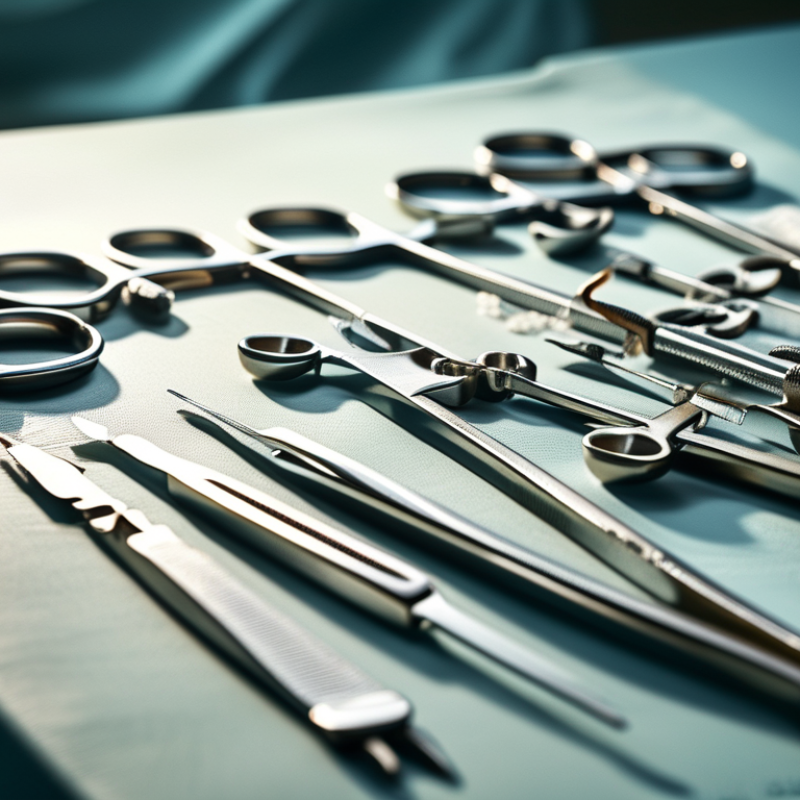
10 Best Tips to Maintain Surgical Instruments for Longevity?

Understanding the Importance of Maintaining Surgical Instruments

Maintaining surgical instruments is crucial for healthcare providers. Proper care ensures that these tools remain functional and safe for patients. When instruments are not maintained, they can become ineffective. Inadequate cleaning or improper storage leads to rust and corrosion. This can compromise a surgeon's ability to perform procedures effectively.

Instruments must be cleaned after each use. This prevents the buildup of residues that can harbor bacteria. Using appropriate cleaning solutions is vital to avoid damage. Storage is equally important. Instruments should be kept in dry, organized environments to prevent accidental damage. Regular inspections will help identify wear and tear. While experts recommend replacing worn tools, some may hesitate due to costs.

Healthcare professionals must stay informed about maintenance best practices. Training staff on proper handling can reduce mistakes. A systematic approach to instrument care promotes longevity. However, achieving perfection is challenging; sometimes, mistakes happen. Acknowledging these imperfections allows for improvements in processes and training. With the right focus on maintenance, the life of surgical instruments can be significantly extended.

Choosing the Right Cleaning Methods for Surgical Tools

Choosing the right cleaning methods for surgical tools is crucial. Different materials require specific techniques to ensure longevity. Stainless steel instruments, for example, can suffer from rust if not dried thoroughly. Using distilled water during cleaning can reduce mineral deposits that lead to corrosion.

Ultrasonic cleaners are effective for intricate tools with complicated shapes. They use high-frequency sound waves to reach small crevices. However, care must be taken with certain materials, as prolonged exposure can cause wear. Regular inspections after cleaning will help identify any damage early.

For tools with coatings, manual cleaning is often necessary. Harsh chemicals might interfere with these coatings. A gentle scrub with a soft brush can be effective without causing harm. Recognizing the signs of wear and tear is essential. Staying attentive to any damage can prevent larger issues down the line. This level of detail in maintenance can't be overstated.

10 Best Tips to Maintain Surgical Instruments for Longevity

Proper Storage Techniques to Prevent Damage and Corrosion

Proper storage techniques play a crucial role in maintaining surgical instruments. Exposure to moisture and harmful elements can lead to corrosion, impacting instrument longevity. According to a study, up to 30% of surgical instruments suffer damage due to inadequate storage practices. To prevent this, ensure instruments are dried thoroughly before storage. Any remaining moisture can create a breeding ground for rust.

Instruments should be stored in a clean, dry environment. Using dedicated storage cabinets can drastically reduce the risk of damage. These cabinets should be organized, making it easy to access tools without unnecessary movement, which can lead to scratches and dents. Avoid piling instruments together; this can cause them to bump into each other and sustain damage.

Regular inspections are essential. Check for any signs of corrosion or wear. Performing routine maintenance can help identify issues before they escalate. A proactive approach may save significant costs in repairs or replacements. Drying after cleaning, storing in breathable containers, and maintaining a controlled environment are key tips. Implementing these practices can significantly extend the lifespan of surgical instruments.

Regular Inspection and Maintenance Routines for Longevity

Regular inspection and maintenance routines are crucial for extending the life of surgical instruments. Frequent assessments help identify wear and tear. Instruments should be checked before and after each use. A small dent or scratch can weaken their effectiveness. It’s vital to train staff on proper techniques to avoid damage during handling.

Cleaning instruments according to established guidelines can prevent contamination. Use appropriate materials to avoid corrosion. Even slight changes in cleaning solutions can have significant effects. Consider having a dedicated team for regular maintenance checks. This not only ensures quality but also allows for immediate repairs.

Keep a detailed log of inspections and repairs. Documenting each instrument's status creates accountability. Reflecting on past maintenance practices can reveal gaps in routines. Consider periodic reviews of the entire process. This ongoing evaluation fosters a culture of excellence in instrument care.

Training Staff on Instrument Care Best Practices

Training staff on instrument care best practices is crucial for maintaining surgical instruments. Well-trained personnel can dramatically extend the lifespan of these valuable tools. Regular training sessions help reinforce the significance of proper care. Staff should know the right cleaning and sterilization techniques. Knowledge builds confidence in using instruments safely.

Hands-on practice is key. Simulated scenarios can boost retention and understanding. Encouraging questions and discussion fosters a culture of learning. Past mistakes can serve as valuable lessons. Staff should be reminded that even minor oversights can lead to significant issues later on.

Visual reminders can also aid in their education. Posters showing proper handling techniques can be effective. Accessible reference materials ensure staff can quickly confirm care procedures. Sharing real-life examples of instrument failures can create awareness. Regular evaluations can highlight areas needing improvement. This approach creates an environment where staff actively engages in instrument care.

FAQS

: Why is it important to maintain surgical instruments?

: Maintaining surgical instruments ensures they are safe and functional for patient care.

How often should surgical instruments be cleaned?

Instruments must be cleaned after each use to prevent bacteria buildup and contamination.

What happens if instruments are not properly stored?

Improper storage leads to rust, corrosion, and potential damage during procedures.

How can regular inspections benefit surgical instruments?

Regular inspections help identify wear and tear, ensuring instruments remain effective and safe.

What role does training play in instrument maintenance?

Training staff on proper care techniques reduces mistakes and prolongs instrument lifespan.

What are some challenges in maintaining surgical instruments?

Costs and oversight can lead to delays in replacing worn tools, requiring reflection on practices.

Why should staff learn from past mistakes?

Past errors can provide valuable lessons that improve instrument care and handling.

How can visual aids support staff training?

Visual reminders, like posters, help reinforce proper handling techniques for surgical instruments.

What is the impact of a dedicated maintenance team?

A dedicated team ensures quality checks and immediate repairs, enhancing instrument longevity.

Should there be a documentation process for instrument maintenance?

Yes, keeping a detailed log of inspections ensures accountability and reveals gaps in routines.

Conclusion

Maintaining surgical instruments for long-term use is crucial for ensuring their functionality and safety in medical procedures. Understanding the importance of proper maintenance begins with selecting suitable cleaning methods that effectively remove contaminants without causing damage. Additionally, implementing proper storage techniques is essential to prevent damage and corrosion, which can compromise instrument integrity.

Regular inspection and maintenance routines should be established to identify any wear and tear, ensuring tools remain in optimal condition. Training staff on best practices for instrument care further enhances the longevity of surgical tools, empowering them with the knowledge necessary for effective management. By following these guidelines on how to maintain surgical instruments for long term use, healthcare facilities can ensure the reliability and safety of their surgical tools, ultimately benefiting patient outcomes.

Sienna

Sienna

Sienna is a skilled marketing professional with a deep expertise in our company’s core products and services. With a passion for innovation and detail, she plays a pivotal role in crafting insightful blog posts that not only highlight the unique features of our offerings but also provide valuable......