How to Choose the Best Surgical Tools for Your Needs?

Time:2026-05-25 Author:Isabella
0%

Choosing the right surgical tools can significantly impact patient outcomes. Surgeons face the challenge of how to choose between different types of surgical tools that meet their needs. With so many options available, it can be overwhelming.

Expertise in surgical instruments is essential for making informed decisions. Knowing the application of each tool can help in selecting the best ones. The right tools must be reliable and designed for specific procedures. It is vital to consider factors such as material quality, ergonomic design, and ease of use.

Reflection is key in this process. Surgeons may realize that their personal preferences or past experiences affect their choices. They may need to reevaluate their tool selections regularly. Ultimately, a thorough understanding of available tools will lead to better surgical results. Investing time to learn how to choose between different types of surgical tools is worthwhile for any medical professional.
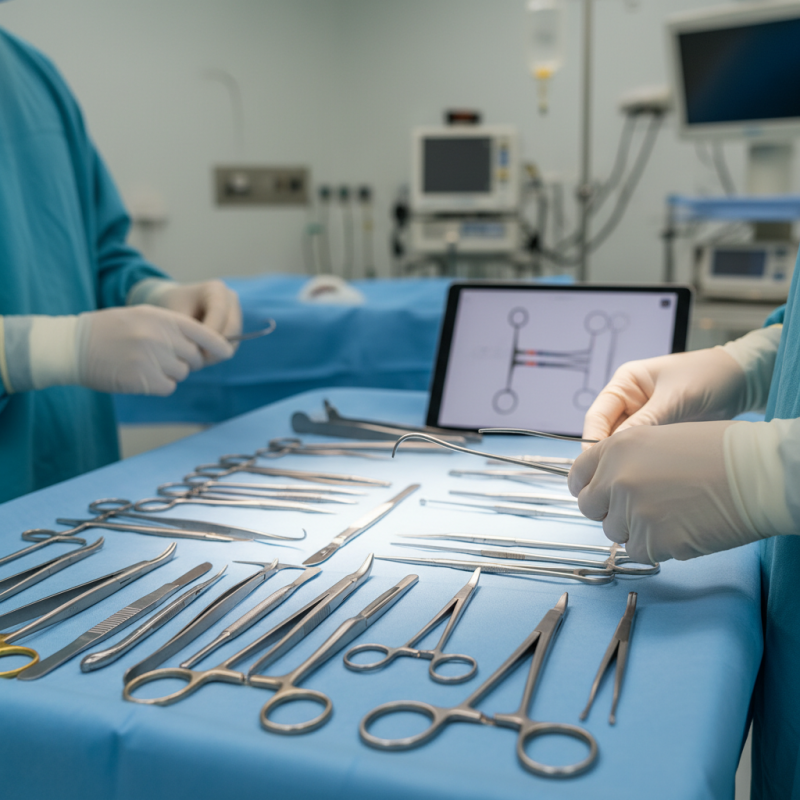
How to Choose the Best Surgical Tools for Your Needs?

Understanding the Types of Surgical Tools Available

Choosing the right surgical tools is crucial for effective operations. Understanding the types of surgical tools available will help you make informed decisions. There are various categories, such as cutting tools, grasping tools, and suturing devices. Each type serves a specific purpose and can greatly impact the surgical outcome.

Cutting tools include scalpels and scissors. They are used to make incisions and dissect tissue. Grasping tools, like forceps and clamps, assist in holding tissues during procedures. Suturing devices help in closing wounds securely. Each tool has its features and recommended use, which affects surgery efficiency.

Tips: Consider the size and ergonomics of the tools. They should feel comfortable in your hands. Always evaluate the material quality. Better materials enhance durability and reduce risk. Moreover, reassess your surgical needs regularly. Tools may become outdated as techniques evolve. Stay informed about advancements in surgical technology.

Assessing the Quality and Durability of Surgical Instruments

Choosing the right surgical tools requires a focus on quality and durability. Research indicates that around 30% of surgical instrument failures occur due to poor manufacturing standards. Therefore, assessing materials and craftsmanship is crucial. Stainless steel is commonly used due to its resistance to corrosion and durability. Instruments made from the highest-quality steel can withstand repeated sterilization cycles without significant wear.

Longevity ensures safety and efficiency. Instruments should maintain their edge and functionality over time. An industry study found that quality instruments can last up to 50% longer than their lower-grade counterparts. Regular inspections and maintenance are essential for sustaining performance. Even high-quality tools can fail if misused or neglected.

Consider also the balance and ergonomics of surgical instruments. Poorly designed tools can contribute to fatigue and compromised precision. Many surgeons report that tools that are comfortable to use enhance their performance during procedures. A careful selection process, featuring hands-on testing, can lead to better outcomes. Be mindful that the investment in quality instruments pays off in the long run, despite higher upfront costs.

Quality and Durability Assessment of Surgical Instruments

Identifying Your Specific Surgical Needs and Preferences

When selecting surgical tools, understanding your specific needs is crucial. Each surgical procedure has unique requirements. A recent study indicated that 75% of surgeons feel more confident when they use tools tailored to their specialty. This level of comfort can lead to improved patient outcomes.

Consider factors such as the type of surgery and your personal preferences. Some surgeons prefer lightweight instruments for prolonged procedures. Others opt for ergonomic designs to reduce hand fatigue. An analysis showed that 60% of surgeons encounter issues with tool effectiveness and comfort. This highlights the need for a careful review of options.

Reflecting on your surgical techniques and experiences can guide your choices. Are there tools that felt inadequate during a procedure? Such insights can help in making informed decisions. Each choice impacts performance and patient care. In surgical settings, where precision is vital, the right tools can significantly affect results.

Budget Considerations When Selecting Surgical Tools

When selecting surgical tools, budget considerations play a crucial role. The global surgical instruments market is projected to reach $25.6 billion by 2027, according to a report by Transparency Market Research. With such growth comes the necessity for facilities to assess quality versus cost effectively. Investing in high-quality tools often leads to better patient outcomes, yet many budgets do not allow for the most expensive options.

Pricing variance is significant. Disposable instruments may save money upfront. However, reusable tools can be more cost-effective in the long run. According to the Journal of Healthcare Financial Management, facilities can save up to 40% by opting for reusables when considering their lifespan and durability. The initial expenditure is often daunting, but a comprehensive analysis of long-term savings is essential.

It’s also important to scrutinize the purchase source. Lower prices can sometimes indicate lower quality. Balancing budget constraints with the necessity for reliable, safe surgical instruments requires diligent research. Many facilities overlook this aspect, leading to potential compromises in patient safety. Thus, reflecting on past acquisitions and their impact on patient care is vital for informed decision-making. Transparent pricing and proven performance should guide your choices.

Finding Reliable Suppliers for Surgical Equipment

When searching for reliable suppliers of surgical equipment, it is crucial to verify their credibility. According to a recent study by the Global Surgical Market, over 60% of surgical tool failures can be traced back to inadequate sourcing practices. This underscores the importance of due diligence during supplier selection.

Look for suppliers with a proven track record. Check for certifications and compliance with industry standards. The Surgical Instruments and Supplies Market Report highlights that compliance can increase trust in the supplier's reliability. Don’t hesitate to ask for references. These can provide insight into the supplier's service quality and reliability.

Be aware of potential pitfalls. Some suppliers may offer attractive prices but cut corners on quality. This can lead to costly surgical complications. Another key factor is support and service. Suppliers should provide ongoing support and maintenance for their products. A 2022 market analysis found that 45% of healthcare professionals noted a lack of adequate training from suppliers as a significant issue. Take the time to reflect on these factors, ensuring that your needs align with what a supplier can deliver.

FAQS

: Why is quality important when choosing surgical instruments?

: Quality ensures safety and longevity. Poor manufacturing can lead to failures and compromise patient outcomes.

How can the durability of surgical instruments be assessed?

Assess materials and craftsmanship. Instruments made from high-quality steel resist wear during repeated sterilization.

What materials are commonly used for surgical instruments?

Stainless steel is popular. It offers corrosion resistance and durability for long-lasting use.

How often should surgical instruments be inspected and maintained?

Regular inspections are essential. Even high-quality tools can fail if neglected or misused.

Why do ergonomics matter in surgical tools?

Poorly designed tools can cause fatigue. Comfortable instruments enhance precision and surgeon performance.

How can personalized tool selection impact surgery?

Using tools tailored to specific surgeries boosts confidence. This can lead to better patient outcomes.

What should be considered when selecting surgical tools?

Consider the type of surgery and personal preferences. Lightweight designs may be preferred for long procedures.

How do past experiences influence surgical tool choices?

Reflecting on inadequate tools helps make informed selections. Each choice can affect surgical precision and patient care.

Is investing in quality surgical instruments worth it?

Yes, quality instruments may have higher upfront costs, but they are more durable and effective over time.

Conclusion

Choosing the best surgical tools for your needs involves a comprehensive understanding of the various types of surgical instruments available. It's essential to assess the quality and durability of these tools, as they significantly impact patient outcomes and surgical efficiency. When considering how to choose between different types of surgical tools, it's important to identify your specific surgical needs and preferences, which may vary based on the procedures you perform.

Additionally, budget considerations play a crucial role in selecting the right surgical equipment. It's vital to not only prioritize functionality but also to seek reliable suppliers who can provide high-quality instruments that meet your financial constraints. By carefully evaluating these factors, you can ensure that you are equipped with the best surgical tools tailored to your requirements.

Isabella

Isabella

Isabella is a dedicated marketing professional with a sharp focus on driving brand growth and engagement through strategic content creation. With an extensive background in digital marketing, she combines her passion for storytelling with her keen understanding of industry trends to deliver......