How to Clean and Disinfect Medical Instruments Effectively?

Time:2026-05-13 Author:Liam
0%

In the healthcare industry, ensuring the safety of medical instruments is paramount. Dr. Sarah Thompson, an expert in sterilization technology, emphasizes, “Understanding how to clean and disinfect medical instruments correctly is crucial for patient safety.” This statement highlights the importance of proper cleaning techniques.

Medical instruments come into contact with patients and are at risk of contamination. Surfaces may harbor pathogens that can lead to infections. Therefore, every healthcare provider must know how to clean and disinfect medical instruments correctly. The right methods and solutions can make a significant difference.

Cleaning and disinfection are often handled with haste, leading to potential oversights. Many facilities overlook the importance of routine training for staff. Regular workshops can help reinforce best practices. Adherence to protocols is critical, yet improvements are always possible. By reflecting on existing processes, healthcare professionals can ensure safety and reliability in patient care.
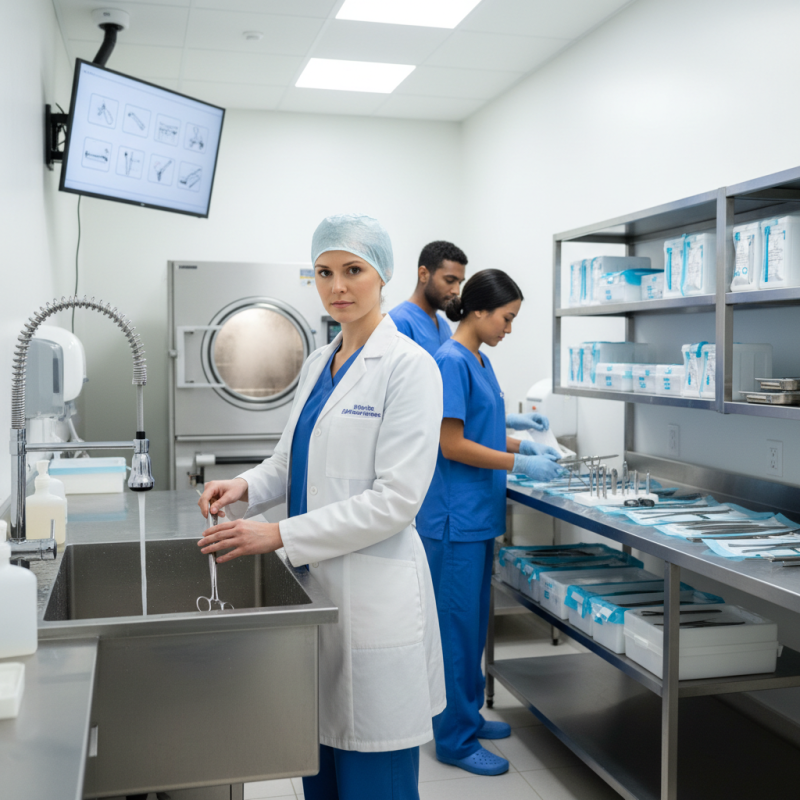
How to Clean and Disinfect Medical Instruments Effectively?

Understanding the Importance of Cleaning and Disinfecting Medical Instruments

Cleaning and disinfecting medical instruments is crucial for patient safety. Contaminated tools can lead to infections and complicate surgeries. Therefore, understanding the cleaning process is essential for medical professionals.

Effective cleaning starts with the right techniques. Use a brush to scrub instruments thoroughly. Focus on joints and crevices where bacteria hide. After cleaning, rinse instruments in sterile water. Disinfection follows; make sure to use appropriate solutions. Each type of instrument may require a different approach.

Tips: Always wear protective gear during cleaning. This is vital for preventing personal contamination. Regular training on the latest disinfection methods can improve outcomes. It's easy to overlook the importance of timing in the cleaning process. Instruments should be cleaned immediately after use to prevent organic material from drying, which makes removal harder. Regular audits can help identify areas for improvement in the cleaning workflow.

Types of Medical Instruments Requiring Cleaning and Disinfection

Cleaning and disinfecting medical instruments is crucial in healthcare settings. Understanding which instruments require careful attention is a fundamental step. Commonly used items include surgical tools, diagnostic equipment, and dental instruments. Each requires a specific cleaning and disinfection process due to varied materials and usages.

Surgical tools such as scalpels and forceps are essential. These instruments come in direct contact with tissues. Failure to clean them thoroughly can lead to infections. Diagnostic equipment like endoscopes also requires rigorous disinfection. They are often used in various procedures and can harbor dangerous pathogens. Dental instruments, including mirrors and handpieces, demand similar care. These tools frequently contact blood and saliva, making their disinfection critical.

Tips: Always follow manufacturer guidelines for cleaning. Use a two-step process: clean first, then disinfect. Consider using ultrasonic cleaners for delicate tools. Regularly inspect instruments for wear and damage. Not every method suits every tool, so adaptability is key. This approach helps ensure safety and prevents potential mishaps.

Step-by-Step Cleaning Process for Medical Instruments

Cleaning medical instruments requires attention to detail. Proper cleaning is essential to prevent contamination. Start by gathering your supplies: soap, water, scrub brushes, and disinfectants.

Rinse instruments immediately after use. This step prevents debris from drying and hardening. Next, fill a container with warm, soapy water. Submerge the instruments and scrub them gently. Pay attention to crevices where dirt can hide. Rinse thoroughly to remove all soap residue.

Disinfection follows cleaning. Use a certified disinfectant effective against pathogens. Soak the instruments as per the manufacturer’s guidelines. Ensure complete coverage. After this, rinse them again with sterile water. It's vital to inspect instruments for any remaining debris or damage. This inspection step can reveal areas needing more attention. Sometimes, despite following steps, results aren't perfect. Adjust processes based on observations for continual improvement.

Effective Disinfection Methods and Agents for Medical Instruments

Effective disinfection methods and agents for medical instruments are crucial for preventing infections in healthcare settings. One widely recognized method is the use of high-level disinfectants, such as hydrogen peroxide or glutaraldehyde. According to a 2021 study published in the Journal of Hospital Infection, employing these agents can reduce microbial load by up to 99.9%. This statistic highlights their efficacy but also underscores the need for proper handling and usage to avoid adverse effects on both surfaces and users.

Another reliable approach is ultraviolet (UV) light disinfection. Research from the American Journal of Infection Control indicates that UV light can effectively eliminate pathogens, achieving over 95% reduction in bacteria. However, this method requires careful consideration of exposure times and distances. Improper application may lead to incomplete disinfection. It’s also important to note that UV systems are not suitable for all instruments, particularly those that are light-sensitive.

Additionally, using foaming agents has gained attention recently. They can cling to surfaces and penetrate hard-to-reach areas. Some studies suggest these agents improve the overall sanitation process. However, their effectiveness can be influenced by factors like surface type and cleanliness prior to application. It’s vital that healthcare professionals remain vigilant and continuously evaluate and adapt their practices to encompass the latest disinfection techniques.

Best Practices for Storing Cleaned and Disinfected Instruments

Storing cleaned and disinfected medical instruments is crucial for maintaining their integrity and functionality. After instruments are properly cleaned and disinfected, they need to be dried thoroughly. Residual moisture can promote bacterial growth. Consider using lint-free cloths or air drying in a sterile environment.

Organization plays a key role in storage. Instruments should be arranged logically in trays or cabinets. This practice reduces the risk of cross-contamination. Labeling storage areas helps ensure that each instrument is returned to its designated spot after use. It also aids in inventory management.

It's important to regularly review storage practices. Instruments that show signs of wear may require a different storage approach. Evaluating the storage conditions is also vital. High humidity or poor air circulation can undermine efforts to keep instruments sterile. Regular audits can highlight potential improvements.

How to Clean and Disinfect Medical Instruments Effectively?

Instrument Type Cleaning Method Disinfection Method Storage Recommendation
Scalpel Manual scrub with detergent 70% Ethanol immersion for 10 minutes Dry and store in a clean, sealed container
Surgical Scissors Ultrasonic cleaning Chlorine-based disinfectant Store in a sterile pouch or box
Forceps Soaking in enzymatic cleaner Alcohol wipe-down Keep in a dust-free environment
Needles Discard in a sharps container Not applicable (single-use) N/A
Endoscope Automated washer-disinfector Glutaraldehyde immersion for 30 minutes Store in a ventilated area

FAQS

: Why is cleaning medical instruments important?

: Cleaning prevents contamination and ensures patient safety. Proper cleaning is critical to maintain hygiene standards.

What should I use to clean medical instruments?

Gather soap, water, scrub brushes, and disinfectants. These supplies aid in the cleaning process.

How do I start cleaning after using the instruments?

Rinse instruments immediately. This prevents debris from drying and makes scrubbing easier later on.

What method is effective for disinfecting instruments?

High-level disinfectants like hydrogen peroxide are effective. They can reduce microbial load considerably.

How should UV light be used in disinfection?

UV light can reduce bacteria significantly. Ensure proper exposure times and distances to avoid incomplete results.

What common mistakes occur in the cleaning process?

Sometimes, debris remains hidden in crevices. Regular inspection helps identify these missed areas.

Are foaming agents worth using?

Foaming agents can reach hard-to-clean surfaces. Their effectiveness can vary based on surface types.

Is complete disinfection always achievable?

Not always. Sometimes, despite following steps, results aren’t perfect. Continuous improvement is necessary.

How can I ensure instruments are fully cleaned?

Rinse thoroughly and inspect for soap residue or damage. Observing results helps adjust future cleaning methods.

Conclusion

Cleaning and disinfecting medical instruments is crucial for ensuring patient safety and preventing infections in healthcare settings. To understand how to clean and disinfect medical instruments correctly, it's important to recognize the various types of instruments that require these processes, ranging from surgical tools to diagnostic devices. The step-by-step cleaning process typically involves thorough washing, rinsing, and drying before disinfection.

Effective disinfection methods can include chemical agents and heat-based techniques, each tailored to the specific instruments being treated. Moreover, adopting best practices for storing cleaned and disinfected instruments is essential to maintain their integrity and readiness for use. By following these guidelines, healthcare professionals can ensure that medical instruments are both clean and safe for patient care.

Liam

Liam

Liam is a dedicated marketing professional with a profound expertise in the industry, where he excels at highlighting the unique advantages of our core products. With a keen understanding of market trends and consumer needs, Liam frequently updates our company’s professional blog, providing......