How to Ensure Effective Sterilization of Surgical Equipment?

Time:2026-08-05 Author:Mason
0%

In the realm of healthcare, ensuring the safety of surgical procedures is paramount. Effective sterilization of surgical equipment is a critical aspect of this safety. Healthcare professionals must understand how to ensure sterilization of surgical equipment to prevent infections and complications. Inadequate sterilization can lead to tragic outcomes, affecting patients' health and recovery.

The process of sterilization is not always foolproof. There are numerous factors to consider, such as equipment type and sterilization methods. Each surgical instrument has specific requirements. Variances in temperature and exposure duration can impact results. This intricate process requires attention to detail, a skilled team, and reliable protocols.

Continuous training and education are essential for staff. They must adhere to best practices consistently. Regular assessments and updates to procedures can address evolving challenges. As we strive for improved safety standards, reflecting on past mistakes is necessary. Identifying gaps in knowledge or practices helps foster a culture of safety and excellence in surgical care.
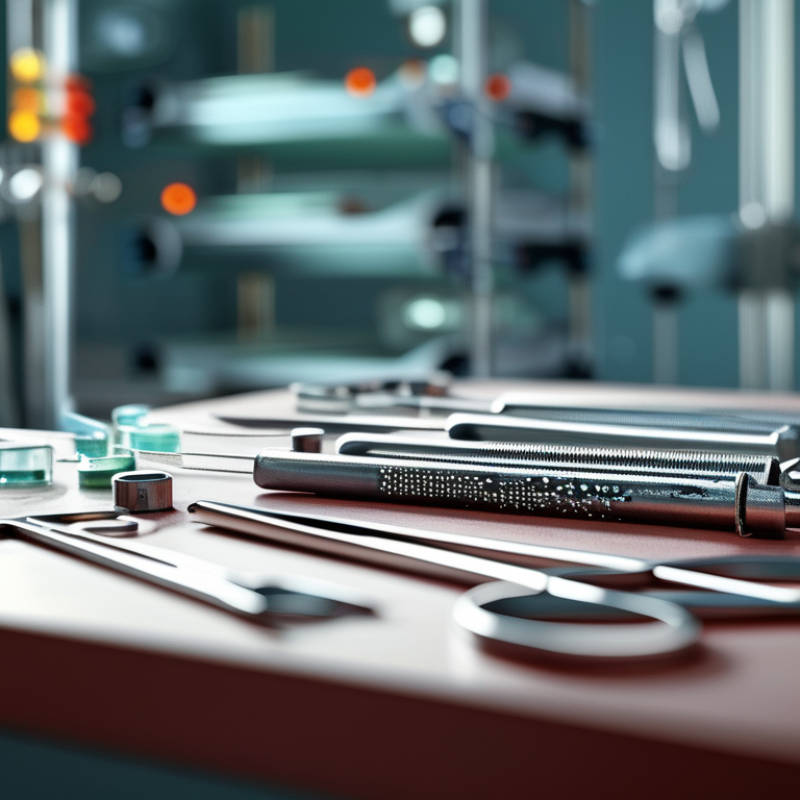
How to Ensure Effective Sterilization of Surgical Equipment?

Understanding the Importance of Sterilization in Surgery

Sterilization is crucial in surgery. It prevents infections and ensures patient safety. Studies show that inadequate sterilization can lead to surgical site infections (SSIs). SSIs affect 2-5% of patients undergoing surgeries, resulting in extended hospital stays and increased healthcare costs.

Effective sterilization methods include steam sterilization, ethylene oxide gas, and hydrogen peroxide plasma. Each method has its advantages and limitations. For example, steam sterilization is ideal for heat-resistant instruments, while ethylene oxide is suitable for heat-sensitive devices. Understanding these differences is essential for healthcare professionals.

**Tips:** Always use biological indicators to confirm sterilization efficacy. Regular training for staff on sterilization protocols is vital. Even the best equipment can fail if not used properly. Keep records of sterilization cycles to identify trends and areas for improvement. Regular audits can help ensure compliance with standards and highlight potential issues.

Types of Surgical Equipment and their Sterilization Requirements

Surgical equipment varies significantly in its composition and use, leading to different sterilization needs. Instruments like scalpels and scissors require thorough sterilization due to direct contact with sterile tissues. These tools are often sterilized using steam or ethylene oxide. The process eliminates harmful microorganisms that can lead to infections.

On the other hand, equipment such as endoscopes presents unique challenges. Due to their sensitive components, high-level disinfection is often preferred. This method doesn't guarantee complete sterilization, which raises concerns. Reflection on the effectiveness of these methods is crucial to ensure patient safety.

When handling surgical instruments, one must also consider the material. For instance, metal tools generally withstand high temperatures, but plastic components may not. Inconsistent practices in sterilization can compromise outcomes. It’s vital for medical professionals to stay informed about the latest protocols and continuously evaluate their sterilization procedures.

How to Ensure Effective Sterilization of Surgical Equipment? - Types of Surgical Equipment and their Sterilization Requirements

Surgical Equipment Type Sterilization Method Temperature Requirement Time Required Notes
Scalpel Autoclaving 121°C (250°F) 15 minutes Use sterile packaging
Surgical Forceps Dry Heat Sterilization 160°C (320°F) 60 minutes Ensure complete dryness
Surgical Drapes Ethylene Oxide Temperature varies, typically 37°C (98.6°F) 1-6 hours depending on type Ventilation required post-sterilization
Endoscopes High-Level Disinfection Room Temperature 30 minutes Follow manufacturer's guidelines
Surgical Instruments Steam Sterilization 134°C (273°F) 3-5 minutes Wrapped or unwrapped

Step-by-Step Procedures for Effective Sterilization Methods

Effective sterilization of surgical equipment is crucial for patient safety. Following step-by-step procedures ensures that all tools are free from microorganisms. Clean the instruments thoroughly. Use soap and water to remove visible debris. This initial step is vital for effective sterilization.

Next, choose an appropriate sterilization method. Autoclaving is common. It uses steam under pressure to kill bacteria and spores. Ensure equipment is correctly loaded in the autoclave. Avoid overcrowding to allow steam circulation. When using chemical sterilants, follow the manufacturer’s instructions closely. This avoids errors that can lead to contaminated tools.

Regularly monitor sterilization outcomes. Use indicators to check if the process was successful. Document all procedures for accountability. Reflect on outcomes to identify areas for improvement. Consistent review ensures protocols are followed accurately. Mistakes may happen, but learning from them strengthens your practice. Sterilization is not just a procedure; it's a commitment to safety.

Monitoring and Validation of Sterilization Processes

Effective sterilization of surgical equipment is critical for patient safety. Monitoring and validation of sterilization processes ensure that every tool is free from contamination. According to the Association for the Advancement of Medical Instrumentation (AAMI), approximately 10% of surgical instruments may still harbor dangerous pathogens if not adequately sterilized.

Regular validation processes are essential. Biological indicators, such as Bacillus stearothermophilus, are commonly used to test sterilization efficacy. AAMI advises that these indicators be utilized weekly or whenever a new sterilization cycle parameters change. Using such methods allows facilities to identify failures in real-time, potentially preventing surgical site infections.

Despite having rigorous protocols, some facilities may still face challenges. Variability in sterilization equipment performance can occur. Inconsistent loading practices and insufficient contact time can reduce sterilization success rates. Monitoring temperature and pressure within sterilizers also requires careful attention. Documentation of these processes ensures accountability, yet many facilities struggle with maintaining thorough records. Implementing a more robust tracking system could enhance reliability and promote safer surgical environments.

Best Practices for Storage and Handling of Sterilized Equipment

Proper storage and handling of sterilized surgical equipment is crucial for preventing infections. According to the World Health Organization, improper handling can lead to a 30% increase in surgical site infections. This statistic highlights the need for stringent protocols in the storage environment.

Equipment should be stored in clean, dry areas away from direct sunlight. Instruments must be protected from dust and contamination. Using sterilization wraps can provide an additional barrier. An American Journal of Infection Control report indicates that wrapped items have a higher sterility assurance level compared to unwrapped ones.

Staff training is also vital. They need to understand the importance of maintaining sterile conditions. Regular audits can help identify lapses in compliance. Interestingly, a survey revealed that 40% of healthcare providers were unaware of best practices for storing sterilized equipment. This lack of knowledge can compromise patient safety, necessitating ongoing education and awareness programs.

FAQS

: What types of surgical instruments require thorough sterilization?

: Instruments like scalpels and scissors need thorough sterilization due to direct contact with sterile tissues.

How are scalpels and scissors typically sterilized?

These tools are often sterilized using steam or ethylene oxide to eliminate harmful microorganisms.

What unique challenges do endoscopes present in sterilization?

Endoscopes have sensitive components, so high-level disinfection is often preferred, but it may not guarantee complete sterilization.

How can variability in sterilization affect surgical safety?

Inconsistent practices can lead to compromised outcomes, highlighting the need for continuous evaluation of sterilization procedures.

What percentage of surgical instruments may harbor pathogens if not sterilized properly?

Approximately 10% of surgical instruments may still contain dangerous pathogens due to inadequate sterilization.

What biological indicators are commonly used to validate sterilization efficacy?

Bacillus stearothermophilus is commonly used as a biological indicator to test sterilization effectiveness.

Why is proper storage of sterilized equipment necessary?

Improper handling can lead to a 30% increase in surgical site infections, necessitating stringent storage protocols.

Where should sterilized instruments be stored?

They should be in clean, dry areas away from direct sunlight to prevent dust and contamination.

What has research shown regarding wrapped versus unwrapped items?

Wrapped items have a higher sterility assurance level compared to unwrapped ones.

How can staff training impact patient safety in surgical settings?

Staff who lack knowledge of best practices for storing sterilized equipment can compromise patient safety, emphasizing the need for ongoing education.

Conclusion

Effective sterilization of surgical equipment is critical for preventing infections and ensuring patient safety during surgical procedures. Understanding the importance of sterilization in surgery sets the foundation for comprehensively evaluating different types of surgical tools and their specific sterilization requirements. For successful sterilization, it is essential to follow step-by-step procedures, which may include various methods such as autoclaving, chemical sterilization, and radiation.

Monitoring and validation of the sterilization processes are also fundamental to assess their efficacy and maintain safety standards. Additionally, best practices for the storage and handling of sterilized equipment play a pivotal role in preserving their sterility until use. By focusing on these aspects, healthcare professionals can effectively learn how to ensure sterilization of surgical equipment, thereby enhancing overall surgical outcomes and patient care.

Mason

Mason

Mason is a seasoned marketing professional with a deep expertise in the company's offerings and a passion for driving brand awareness. With a strong background in digital marketing strategies, he has an innate ability to connect with diverse audiences and effectively communicate product benefits.......