Surgical instruments are essential for successful medical procedures. However, they often face several issues that compromise their effectiveness. According to a report by the American College of Surgeons, approximately 20% of all surgical complications can be traced back to faulty instruments. This statistic highlights the importance of identifying what are the common problems with surgical instruments.
Dr. Emily Foster, a leading expert in surgical safety, states, “Even minor defects in instruments can lead to major complications.” This underscores the need for healthcare professionals to frequently assess and maintain their tools. Common problems include dull blades, improper sterilization, and mechanical failures. These issues can delay surgeries and increase risks for patients.
An inadequate understanding of instrument maintenance contributes to these problems. Many practitioners rely on outdated protocols. Continuous education and adherence to the latest standards can help mitigate risks. Surgery outcomes hinge not only on skill but also on the reliability of instruments. Vigilance and proactive measures are crucial in ensuring patient safety.
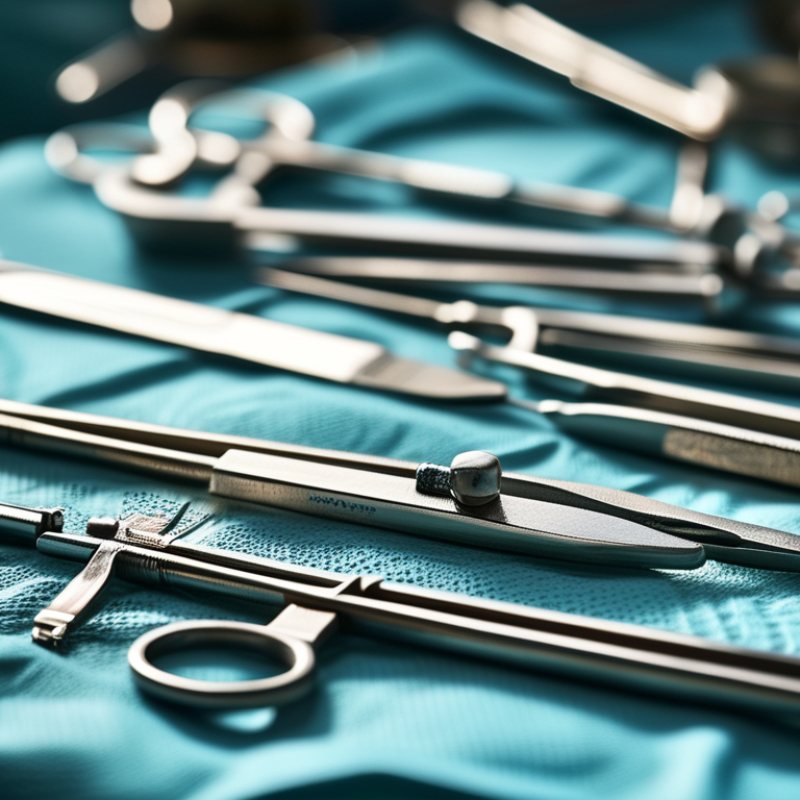
Understanding the Importance of Surgical Instrument Maintenance
Surgical instrument maintenance is crucial for patient safety and successful outcomes. A study published in the Journal of Surgical Research reported that improper maintenance of surgical instruments contributes to nearly 40% of instrument failures during procedures. This alarming statistic highlights the necessity of regular maintenance checks. Instruments must be correctly cleaned, sterilized, and inspected to ensure they function effectively during surgery.
Moreover, the Association for the Advancement of Medical Instrumentation emphasizes that neglected surgical tools can lead to complications. Instruments with worn-out edges or rust can cause additional trauma to tissues. Regular evaluations and timely repairs reduce the risk of complications. It's essential for surgical teams to be educated on identifying signs of degradation. Instruments should be professionally serviced according to established protocols.
In addition, the financial impact of instrument failures can be substantial. The estimated cost of managing complications arising from faulty instruments can exceed millions of dollars annually for healthcare systems. This data illustrates that equipment upkeep is not merely a maintenance issue; it's a critical aspect of healthcare quality, affecting both patient care and institutional resources. Regular training and audits on instrument handling can mitigate these risks, paving the way for better surgical outcomes.
How to Identify Common Problems with Surgical Instruments? - Understanding the Importance of Surgical Instrument Maintenance
| Instrument Type |
Common Problems |
Identification Method |
Maintenance Tips |
| Scissors |
Dull blades |
Tactile test during use |
Regular sharpening and cleaning |
| Forceps |
Misalignment |
Visual inspection for tips alignment |
Adjusting tension and cleaning |
| Clamp |
Rust or corrosion |
Visual inspection for discoloration |
Avoiding moisture and regular oiling |
| Scalpels |
Loose blade |
Check blade stability manually |
Ensure proper attachment before use |
| Needle Holders |
Worn grips |
Test grip functionality |
Replace grips when worn |
Common Symptoms Indicating Instrument Malfunction
When using surgical instruments, identifying malfunctions is crucial for patient safety. Common symptoms that indicate a problem can be subtle but are significant. For instance, if an instrument does not close properly, this can lead to incomplete procedures. Instruments that feel loose or wobbly may not provide the necessary precision. These issues often stem from wear and tear or improper cleaning.
Another critical sign of malfunction is discoloration or rust. This can compromise the integrity of the instruments. If you notice staining, it’s essential to assess whether the instrument is being maintained correctly. Also, listen for unusual sounds during usage, like grinding or squeaking. These can indicate underlying mechanical issues.
Healthcare professionals must stay vigilant. A minor flaw can lead to major complications. Regular checks and maintenance help in early identification of issues. However, despite best efforts, some problems may go unnoticed until they manifest in acute ways. An ongoing commitment to assessing instruments enhances safety and efficacy in surgical procedures.
Step-by-Step Inspection Techniques for Surgical Tools
When inspecting surgical instruments, it's crucial to pay attention to every detail. Start with a visual examination. Look for rust, corrosion, or discoloration. These can indicate improper storage or cleaning. Check for any physical damage, like dents or chips, which could compromise the instrument's effectiveness. Don't rush through this step; even small imperfections can impact surgical outcomes.
Next, test the functionality of each instrument. For cutting tools, ensure the edges are sharp and aligned correctly. Misaligned blades can lead to complications during surgery. For retractors, check that they hold their position securely. Instruments that don't maintain tension can cause interruptions during procedures. It’s also vital to verify the sterilization status. Instruments must be free of contaminants, or they could pose serious risks.
Documentation plays a significant role too. Record any damage or issues found during inspections. This creates a reliable history of instrument condition. Regular oversight can help identify recurring problems, prompting reassessment of maintenance practices. Emphasizing thorough inspections fosters a culture of safety and reliability in surgical environments.
Addressing Issues: Repair vs. Replacement of Surgical Instruments
Surgical instruments are vital in ensuring successful procedures. However, over time, common issues like dull blades or misaligned grips can arise. When faced with these problems, the dilemma of repair versus replacement becomes crucial.
Repairing instruments can be cost-effective, allowing for extended use if the issue is minor. For instance, sharpening a blade can restore its function without a hefty expense.
On the other hand, certain situations demand replacement. When instruments show signs of fatigue or irreparable damage, continuing to use them can compromise patient safety. For instance, a cracked handle may pose risks during complex surgeries. The decision often depends on the instrument's condition, frequency of use, and the cost of repair versus new purchase.
Each case is unique. Thorough assessments of instruments can reveal subtle indicators of potential failure. Maintaining surgical tools with regular inspections can lead to more informed decisions later on. Ultimately, balancing cost and safety is key when determining the fate of surgical instruments.
Best Practices for Preventing Surgical Instrument Problems
Preventing problems with surgical instruments is crucial in ensuring patient safety and minimizing complications during procedures. According to a recent report by the Association for the Advancement of Medical Instrumentation (AAMI), approximately 30% of surgical complications are associated with the malfunction of surgical instruments. This highlights the need for effective measures to maintain instrument quality. Regular inspections can identify issues before they escalate. Furthermore, a study published in the Journal of Surgical Research showed that facilities with comprehensive instrument maintenance protocols reduced the rate of malfunctions by over 50%.
Proper sterilization and handling practices also play significant roles in preventing issues. The Center for Disease Control and Prevention (CDC) guidelines stress the importance of thorough cleaning and sterilization techniques. Contamination can lead to infections and instrument failure. Training staff on proper instrument handling further minimizes risks. The same AAMI report noted that inadequate training contributes to nearly 20% of instrument-related problems.
Regular communication within surgical teams can foster a culture of safety. Establishing a system for reporting instrument problems without fear of retribution encourages proactive measures. Additionally, inspecting instruments after each procedure can prevent repeated issues. While these practices may seem basic, neglecting them can have serious implications. Instrument care requires diligence and a commitment to continuous improvement in surgical settings.
Common Problems with Surgical Instruments
FAQS
: It ensures patient safety and successful outcomes, preventing nearly 40% of instrument failures during procedures.
Neglect can lead to complications, like additional trauma to tissues due to worn-out or rusted instruments.
Dull blades or cracked handles can compromise safety, especially during complex surgeries.
Instruments with minor issues, like dull blades, can often be repaired cost-effectively.
Managing complications from instrument failures may exceed millions annually for healthcare systems.
They identify issues early, reducing malfunction rates by over 50% in facilities with comprehensive protocols.
Thorough cleaning and sterilization according to CDC guidelines are essential to prevent contamination.
Educating staff on proper handling can significantly reduce instrument-related issues, addressing 20% of problems.
Open communication fosters a safety culture, allowing staff to report issues without fear of retribution.
Neglecting basic care practices can have serious implications, highlighting the need for continuous improvement.
Conclusion
Understanding and maintaining surgical instruments is crucial to ensuring patient safety and procedural effectiveness. This article discusses what are the common problems with surgical instruments, which often manifest as signs of wear, damage, or improper functioning. Recognizing symptoms indicating instrument malfunction—such as unusual noises, difficulty in movement, or visible degradation—is the first step in addressing potential issues.
In addition to identifying these symptoms, the article outlines step-by-step inspection techniques for surgical tools, allowing for thorough evaluations. When problems are detected, it is essential to determine whether to repair or replace the instruments based on their condition and the severity of the malfunction. Emphasizing best practices for prevention, regular maintenance, and proper handling can significantly reduce the occurrence of surgical instrument issues, ultimately enhancing surgical outcomes.

 LeienCare Tech