Patient safety is a fundamental concern in surgical operations. When patients undergo surgery, the risks can be significant. Complications can arise from various factors, including anesthesia and the surgical procedure itself. These risks emphasize the necessity of maintaining a safe environment for patients.
How to ensure patient safety during surgical operations involves multiple strategies. Surgeons and healthcare teams must adhere to protocols that minimize errors. Communication and teamwork are vital in these high-stakes settings. Additionally, thorough preoperative assessments help identify potential risks.
Despite advances in medical technology and techniques, challenges remain. Human error can occur, and unforeseen complications may arise. Constant vigilance is crucial. Each surgical team member must be aware of their role in ensuring safety. Reflection on past surgeries can provide valuable insights for improvement. Prioritizing patient safety is essential in fostering trust and confidence in healthcare systems.
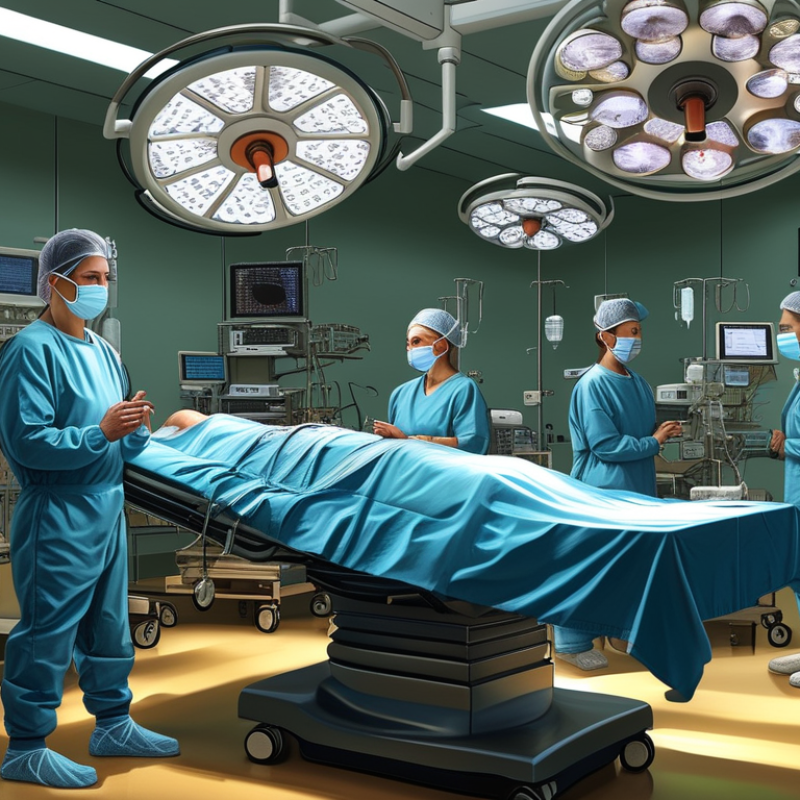
Patient safety is a cornerstone of effective surgical operations. During surgery, patients are vulnerable. They rely on the expertise of the surgical team. Any misstep can lead to complications, even fatalities. This reality demands constant vigilance in the operating room.
Surgeons and nurses are trained to anticipate risks. Yet, errors can still occur. For example, incorrect dosages of anesthesia pose serious threats. Even with advanced technology, human error remains a factor. The importance of teamwork cannot be understated. Clear communication reduces the chances of mistakes. Each member of the team plays a vital role in maintaining safety.
Data suggests that a culture of safety dramatically improves outcomes. Facilities that prioritize patient safety see lower complication rates. However, challenges persist. Systems need regular updates and training sessions. Learning from past mistakes is essential. It fosters an environment where safety is paramount. Patient safety should not be an afterthought; it must be a fundamental practice in surgery.
Surgical operations are complex procedures with inherent risks. Each year, an estimated 234 million surgical procedures occur worldwide, according to the World Health Organization. Common hazards during surgery include infection, anesthesia complications, and surgical errors. Data reveals that about 1 in 100 patients experience a surgical complication, emphasizing the importance of patient safety.
Infection is a significant risk. Surgical site infections affect nearly 3-5% of surgical patients, leading to longer hospital stays and increased healthcare costs. Effective sterilization and strict adherence to infection control protocols can mitigate these risks. For example, using sterile instruments and proper hand hygiene is crucial in preventing infections.
Another concern is anesthesia-related complications. Reports indicate that around 1 in 1,000 patients may encounter severe anesthesia issues. Anesthesia providers must evaluate patients' medical histories thoroughly. Clear communication about risks can alleviate patient anxiety.
**Tips:** Always discuss your medical history candidly with your surgical team. Ensure you understand the steps taken to minimize risks. After surgery, be vigilant about signs of infection or unusual pain, and report them immediately. Patient awareness fosters a safer surgical environment.
In the operating room, patient safety is paramount. Surgical teams must follow strict protocols to minimize risks. These protocols include comprehensive preoperative assessments. Every patient should have a thorough health check. This step helps identify potential complications early on. Communication also plays a key role. All team members must discuss the surgical plan in detail.
Implementing checklists has proven effective in enhancing safety. These lists ensure that no critical step is overlooked. For example, verifying the surgical site can prevent serious errors. However, challenges remain. Staff fatigue and miscommunication can lead to mistakes. Regular training sessions are essential to keep skills sharp. Encouraging a culture of safety promotes teamwork and vigilance.
Patients also play a part in their safety. They should ask questions and express concerns. Being informed encourages active participation in their care. Yet, not all patients feel empowered to speak up. Creating an environment where patients feel comfortable is vital. Continuous evaluation of safety practices can lead to improvements. There’s always room for reflection and growth in ensuring patient safety.
Surgical teams play an essential role in ensuring patient safety during operations. According to recent data from the World Health Organization, surgical errors can occur in up to 5-15% of procedures. Team dynamics significantly impact these outcomes. Effective communication among team members is vital. Poor communication can lead to confusion and critical mistakes. For instance, a misplaced instrument could lead to increased surgical time and risk of infection.
A study published in the Journal of Surgical Research highlighted that structured communication tools, like checklists, reduce error rates by 30%. Checklists help teams verify the correct patient, procedure, and site before starting. Additionally, collaboration within the surgical team promotes accountability and vigilance. Each member must feel empowered to speak up about potential risks. Inadequate engagement can lead to oversight of critical safety protocols.
Despite advancements in training, room for improvement remains. Team members may hesitate to challenge decisions. That could stem from hierarchical dynamics. For patient safety, fostering an open environment is essential. Regular training sessions and debriefs can help build trust and clarity. Enhancing team cohesion can lead to better patient outcomes and fewer adverse events. Continuous reflection and adaptation are necessary to close gaps in safety protocols.
Technological advancements have revolutionized surgical procedures, significantly enhancing patient safety. One major innovation is the use of robotic-assisted surgery. This technology allows for greater precision and control. Surgeons can perform complex operations with minimal invasiveness. Consequently, patients often experience shorter recovery times.
Monitoring systems are also vital in the surgical environment. They provide real-time data on a patient’s vital signs. Any abnormal readings can trigger immediate responses from medical staff. This proactive approach is essential in preventing complications during surgery.
**Tips**: Always ask your surgeon about the technologies being used. Understanding the tools can alleviate anxiety. Also, do not hesitate to report any concerns regarding your safety. Clear communication with medical staff is crucial.
Despite these advancements, not all surgeries guarantee safety. Human errors can still occur. Staff training and adherence to protocols are key areas for improvement. Continuous evaluation of surgical outcomes can help identify potential risks. This allows for adjustments in procedures and technology use.
1: Common risks include infection, anesthesia complications, and surgical errors. Always be aware of these potential hazards.
Surgical site infections affect about 3-5% of surgical patients. These infections can lead to longer hospital stays.
Patients should discuss their medical history openly. Asking questions can help create a safer environment.
Effective communication among team members is crucial. Poor communication can lead to critical mistakes during the procedure.
Checklists reduce error rates by 30%. They help verify the correct patient and procedure before surgery starts.
Patients should report any unusual pain or signs of infection immediately. Vigilance is vital for recovery.
Staff fatigue can lead to mistakes in the operating room. Regular training helps maintain skills and sharpness.
Hierarchical dynamics can discourage team members from speaking up. This can hinder patient safety during operations.
An open environment fosters trust and communication. Team members are more likely to address risks or concerns.
Continuous evaluation leads to improvements in safety practices. There’s always room for reflection and adaptation.
Patient safety is of paramount importance during surgical operations, as it directly impacts patient outcomes and overall healthcare quality. Understanding common risks and hazards that can arise in the operating room, such as infections or anesthesia complications, is essential for minimizing potential threats. Implementing best practices, like thorough pre-operative checklists and active monitoring during procedures, is crucial for ensuring patient safety during surgical operations.
Moreover, the surgical team's role is pivotal in promoting a culture of safety, emphasizing communication and collaboration among all members. Advances in technology, such as surgical simulations and patient tracking systems, further enhance safety protocols by providing real-time data and reducing human errors. Collectively, these strategies highlight how to ensure patient safety during surgical operations, ultimately striving for the best possible care and recovery outcomes for patients.

LeienCare Tech