How to Improve Efficiency in Operating Rooms Effectively?

Time:2026-05-31 Author:Oliver
0%

In modern healthcare, understanding how to improve efficiency in operating rooms is crucial. Surgeons, nurses, and support staff face immense pressure during surgical procedures. Every minute counts, and delays can lead to negative outcomes and increased costs.

Implementing efficient processes is essential for optimizing performance. This includes better scheduling, streamlined communication, and effective resource management. Each team member must be on the same page, ensuring that equipment and supplies are readily available. However, achieving this harmony can be challenging.

Sometimes the tools and protocols that are in place can hinder rather than help. Reflecting on past experiences can provide valuable insights. It is important to recognize areas of improvement and be open to adapting procedures. By focusing on these aspects, the healthcare community can work towards a more efficient operating room environment.
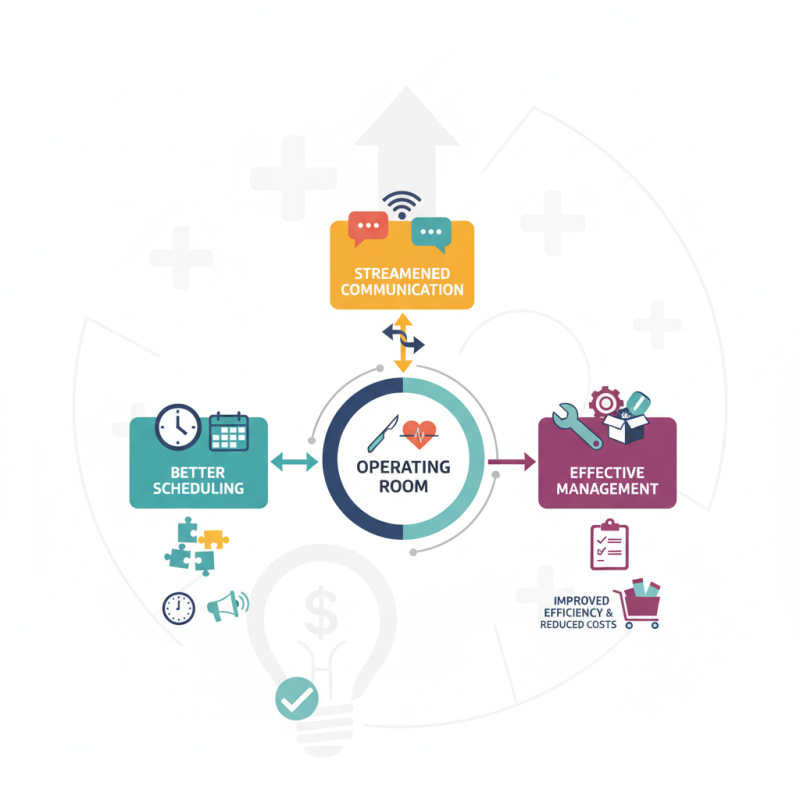
How to Improve Efficiency in Operating Rooms Effectively?

Strategies for Streamlining Surgical Workflow in Operating Rooms

In the dynamic environment of an operating room, streamlining surgical workflows is crucial. One effective strategy is to implement a structured pre-operative checklist. This tool not only reduces errors but also ensures every team member knows their tasks. It involves confirming patient details, surgical instruments, and necessary equipment. A well-organized checklist minimizes last-minute confusion and fosters accountability among staff.

Communication plays a vital role in improving efficiency. Regular briefings among the surgical team can enhance coordination. Quick huddles before procedures help to clarify roles and expectations. This reduces delays and fosters a cohesive environment. However, it's essential to encourage feedback. Staff may have valuable insights based on their experiences that can further optimize workflow.

Another aspect to consider is the physical layout of the operating room. Arranging instruments and materials for quick access can save critical time during surgery. Yet, this requires regular assessment. Layouts that once worked may become inefficient as procedures evolve or new tools are adopted. Continuous reflection on these strategies can lead to incremental improvements in surgical efficiency over time.

Optimizing Team Communication to Enhance Surgical Efficiency

Effective communication among surgical team members is crucial for optimizing efficiency in operating rooms. When every individual understands their role and responsibilities, it reduces the risk of mistakes. Regular briefings before surgeries are essential. These meetings allow team members to outline their tasks clearly and identify potential challenges. Encouraging open dialogue helps build trust, promoting a culture where team members feel comfortable speaking up.

Moreover, utilizing technology can significantly enhance communication. Real-time messaging apps can facilitate quick updates and address concerns instantly. However, over-reliance on devices can lead to distractions. It's vital to strike a balance. While technology aids in coordination, personal interactions shouldn't be overlooked. Face-to-face discussions often lead to clearer understanding and stronger collaboration among team members.

Reflection on communication processes is also necessary. Teams should review their performance regularly. Gathering feedback post-surgery highlights areas for improvement. A culture of continuous learning fosters resilience within the team. This reflective approach not only sharpens skills but also enhances overall surgical efficiency. Emphasizing human elements in communication is just as critical as any technological advancement.

How to Improve Efficiency in Operating Rooms Effectively? - Optimizing Team Communication to Enhance Surgical Efficiency

Metric Current Status Goal Improvement Strategies
Surgery Duration (mins) 120 90 Implement pre-operative briefings
Surgical Team Communication Ratings 75% 90% Regular communication workshops
Instrument Availability 80% 95% Inventory management system
Post-Operative Recovery Time (mins) 60 45 Streamlined recovery protocols
Surgical Team Satisfaction 82% 95% Feedback surveys and action plans

Implementing Surgical Checklists for Improved Patient Safety

Surgical checklists serve as essential tools for enhancing patient safety in operating rooms. These checklists help ensure that all steps of a surgical procedure are followed meticulously. They promote consistency and minimize the risk of human error, which can have serious consequences. For example, a missing instrument or overlooked allergy can lead to complications.

When implementing checklists, the involvement of the entire surgical team is crucial. Each member must understand their role in the process. Clear communication is necessary to address any potential issues before surgery starts. Failures in communication can undermine the checklist's effectiveness. Regular training sessions can reinforce this idea and keep everyone aligned.

However, even with checklists, challenges remain. Teams may skip certain steps, thinking they are unnecessary. This practice risks safety and undermines the checklist’s purpose. Reflecting on this can remind us that checklists should be integrated into the culture of the operating room, ensuring they are not just a formality but a vital practice. The goal must always be improved patient outcomes and safety.

Leveraging Technology for Better Resource Management in ORs

Operating rooms (ORs) are the heart of a hospital, and improving their efficiency is critical. Leveraging technology can significantly enhance resource management in these spaces. Real-time data tracking and management software allow surgical teams to monitor equipment and supplies effectively. This ensures that all necessary tools are available when needed.

Tips for better resource management include conducting regular audits of surgical supplies. This helps in identifying underutilized items. Apps for inventory management can simplify tracking. Digital platforms can streamline communication among surgical staff. A centralized system allows for swift information sharing, reducing delays in surgeries.

Additionally, integrating AI tools can analyze surgical data for insights. Understanding patterns in surgeries can lead to better scheduling and resource allocation. Training staff in these technologies remains essential. Resistance to change can hinder progress. It’s crucial to remain open to feedback and adjust systems based on real-world challenges. Regularly reviewing these processes ensures continued improvement in efficiency.

Regular Training and Simulation for Continuous Improvement in OR Efficiency

Training and simulation play a crucial role in enhancing efficiency in operating rooms (ORs). Research indicates that regular training programs can improve surgical outcomes significantly. The American College of Surgeons reported that teams who undergo consistent training exhibit a 30% reduction in surgical errors. This highlights the importance of hands-on practice and simulation in refining skills.

Simulation-based training allows surgical teams to rehearse procedures in a controlled environment. This practice helps in identifying areas for improvement. A study conducted by the Institute of Medicine revealed that effective simulation training can cut down operation times by as much as 25%. Most OR staff often encounter unexpected challenges during surgeries. Regular drills can prepare them to handle these scenarios more effectively, leading to better teamwork and communication.

However, not all training programs yield the expected results. Some staff may resist participating, resulting in gaps in performance. A collaborative training approach can combat this. Incorporating feedback from team members creates a culture of continuous improvement. The key lies in building an environment where reflection and adaptation are emphasized. This can ultimately lead to more efficient and safer surgeries.

Improvement in Operating Room Efficiency Through Regular Training and Simulation

FAQS

: Why is effective communication important in surgical teams?

: Effective communication reduces mistakes and enhances efficiency in the operating room. Everybody needs to understand their roles clearly.

How can regular briefings benefit surgical teams?

Regular briefings help outline tasks and identify challenges beforehand. This promotes better preparation and teamwork.

What role does technology play in surgical communication?

Technology, like messaging apps, facilitates quick updates. However, over-reliance can distract from personal interactions.

How can teams ensure efficient resource management in ORs?

Conducting regular audits of supplies helps identify underutilized items. Digital inventory management systems simplify tracking.

What is the impact of training and simulation on surgical efficiency?

Regular training can reduce surgical errors significantly. Simulation drills prepare staff to handle unexpected challenges.

What challenges do surgical teams face in training programs?

Some staff may resist participation, leading to performance gaps. A collaborative approach encourages engagement and improvement.

Why is reflection on communication and processes necessary?

Regular reflection allows teams to identify improvement areas. This creates a culture of continuous learning and resilience.

How does face-to-face interaction benefit team collaboration?

Face-to-face discussions often lead to clearer understandings. They foster trust and stronger collaboration among team members.

What should teams focus on to enhance surgical outcomes?

Teams should emphasize both technological advancements and human elements in communication. Balancing these aspects is crucial.

How can teams create a culture of continuous improvement?

Incorporating feedback after surgeries fosters an environment where team members feel comfortable sharing insights and learning.

Conclusion

To address the question of how to improve efficiency in operating rooms, several effective strategies can be implemented. First, streamlining the surgical workflow by optimizing processes reduces delays and enhances productivity. This includes fostering better team communication, which is crucial for ensuring all members are aligned and informed throughout the surgical procedure. Additionally, implementing surgical checklists not only enhances patient safety but also contributes to a more organized and efficient operating environment.

Leveraging technology is another key factor in improving resource management within operating rooms. Tools such as electronic health records and scheduling systems can help coordinate patient care and staff assignments. Furthermore, regular training and simulation exercises ensure that the surgical team is skilled and ready to adapt to varying situations, fostering a culture of continuous improvement. By adopting these strategies, healthcare facilities can effectively enhance the efficiency of their operating rooms, leading to better patient outcomes and optimized use of resources.

Oliver

Oliver

Oliver is a seasoned marketing professional with a wealth of expertise in driving brand awareness and engagement. With a deep understanding of our company's product offerings, he consistently delivers high-quality content that enriches our professional blog. His insights not only shed light on......