In healthcare, the importance of sterilizing medical instruments cannot be overstated. Dr. Emily Carter, a leading expert in infection control, emphasizes the significance of proper techniques. She states, “Inadequate cleaning can lead to serious infections.” Understanding how to clean and disinfect medical instruments correctly is essential for patient safety.
Many healthcare facilities still struggle with implementing effective cleaning protocols. It's crucial to address common mistakes made during the cleaning process. Rushing through steps or using ineffective chemicals can compromise sterilization efforts. Each instrument requires specific care tailored to its material and design.
Effective training for staff is vital in maintaining high standards. Yet, many institutions overlook regular assessments of their cleaning practices. Continuous education ensures that the best methods are utilized. By focusing on proper cleaning and disinfection, we protect our patients and enhance overall healthcare outcomes. Balancing efficiency with thoroughness is an ongoing challenge that demands attention.
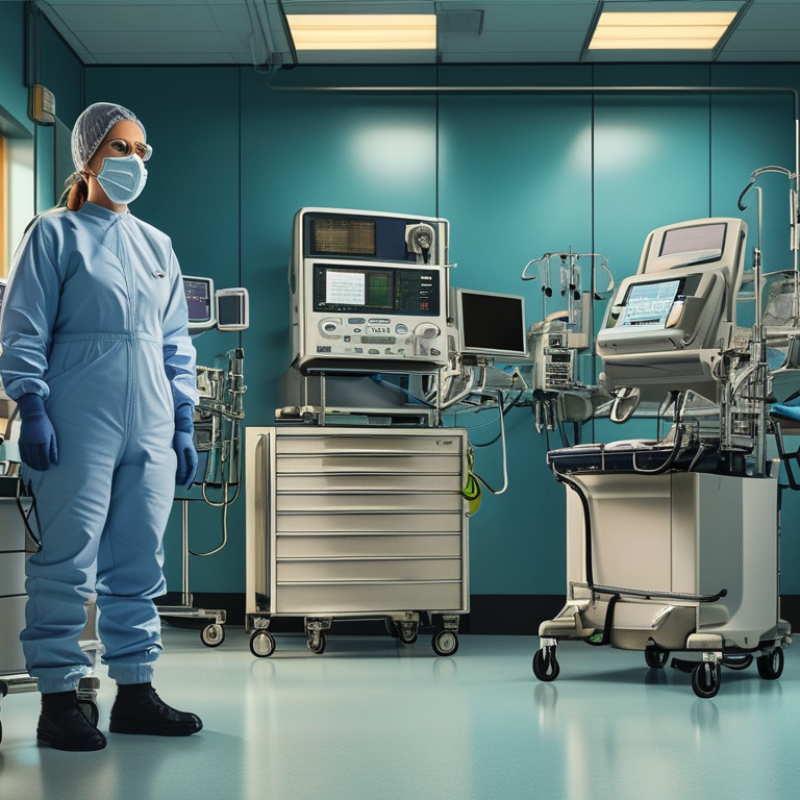
The proper cleaning and disinfection of medical instruments are crucial for patient safety and effective healthcare delivery. When these instruments are not cleaned properly, the risk of infection is significantly increased. Infections can lead to longer hospital stays, higher medical costs, and even patient fatalities. Healthcare professionals must understand that cleaning is the first step in preventing these potential outcomes.
A common mistake is assuming that washing instruments with soap and water is enough. In reality, even after washing, residues can remain. These residues can harbor harmful bacteria. It's important to follow detailed protocols. For example, using appropriate ultrasonic cleaners can effectively remove debris from hard-to-reach areas. There should also be a focus on the drying process, as damp instruments can promote microbial growth.
Despite advances, some facilities may still struggle with proper disinfection techniques. Ensuring that staff are well-trained is essential. Regular audits and feedback can highlight areas that need improvement. This reflection helps in maintaining high standards of hygiene and trust in healthcare. Instruments must not just look clean; they must be truly free of pathogens to protect both patients and healthcare providers alike.
Understanding the different types of medical instruments is crucial for effective cleaning and disinfection. Surgical tools, such as scalpels and forceps, often require meticulous attention. These instruments come into direct contact with body tissues, so any residual contaminants can pose serious risks. It’s vital to use the appropriate cleaning agents designed for these materials, ensuring they are free of pathogens before sterilization.
Endoscopes and similar equipment have more delicate structures. They often contain lumens and intricate components that are challenging to clean. Improper disinfection can lead to infections. It's essential to follow the manufacturer's guidelines closely and consider using specialized cleaning devices for these instruments.
Knowledge about the specific cleaning needs of each type of medical instrument can help prevent errors. A common mistake is assuming all instruments follow the same cleaning protocols. This mindset can lead to inadequate disinfection and ultimately patient harm. Regular training and updates on cleaning procedures are necessary for all medical staff. Creating a culture of safety and diligence is key in any healthcare setting.
Cleaning and disinfecting medical instruments is crucial for patient safety. A recent study shows that proper cleaning can reduce the risk of infection by up to 90%. To start, gather necessary supplies: detergents, disinfectants, brushes, and gloves. Ensure you read the manufacturer's guidelines on each instrument, as materials vary. Rinse instruments in warm water immediately after use to remove blood and debris.
Next, immerse instruments in a cleaning solution for the recommended time. This step is often overlooked but is essential for effective disinfection. Use brushes to scrub surfaces thoroughly, focusing on joints and crevices. Evidence suggests that manual cleaning significantly improves the disinfection process compared to autoclaving alone. Rinse all instruments with sterile water to avoid residue.
After cleaning, inspect instruments for any signs of damage. Imperfections might not be visible at first glance. However, even minor damage can jeopardize the safety of the equipment. Document any issues and address them promptly to maintain compliance with industry standards. Regular audits of cleaning protocols can help reinforce best practices.
Proper cleaning and disinfection of medical instruments is crucial for patient safety. Various disinfectants have shown different efficacy against pathogens. For instance, a study published in the Journal of Hospital Infection indicates that sodium hypochlorite is effective against spores, while quaternary ammonium compounds are less so. The choice of disinfectant should depend on the specific pathogens involved.
Many facilities overlook the importance of regularly updating disinfectant protocols based on emerging pathogens. New strains of viruses and bacteria, like C. difficile and MRSA, require persistent attention. Utilizing products with proven efficacy can prevent outbreaks in clinical settings. It’s essential to refer to resources like the Centers for Disease Control and Prevention (CDC) guidelines for best practices.
Paths toward improvement exist. Regular training for staff on proper disinfection techniques can reduce errors. Many organizations lack comprehensive training programs. Emphasizing visual aids and retraining sessions can ensure uniformity in practices. Consistent monitoring of disinfection processes can aid in identifying weaknesses.
Use specific disinfectants that have Not only proven efficacy but also compatibility with your instruments. Verify the contact time needed for effective disinfection. Make sure staff understands these requirements. Evaluate the effectiveness of your disinfection process routinely based on patient outcomes and feedback. This reflective practice is crucial and can lead to significant improvements in instrument hygiene.
| Disinfectant | Active Ingredient | Efficacy Against Common Pathogens | Contact Time (minutes) | Application Method |
|---|---|---|---|---|
| Alcohol (70% Ethanol) | Ethanol | Bacteria, Viruses (including HIV, Hepatitis B) | 1-5 | Wipe or spray on surface |
| Chlorine Bleach | Sodium Hypochlorite | Bacteria, Viruses, Fungi | 10-30 | Soak or wipe on surface |
| Quaternary Ammonium Compounds | Benzalkonium Chloride | Bacteria, Fungi | 5-10 | Wipe or spray on surface |
| Hydrogen Peroxide | Hydrogen Peroxide | Bacteria, Viruses, Spores | 1-10 | Soak or spray on surface |
Regulatory standards for disinfecting medical instruments are critical for patient safety. The CDC and OSHA set guidelines that health facilities must follow. According to a 2021 report, inadequate disinfection practices led to a 10% increase in hospital-acquired infections. Compliance with established protocols is essential.
Effective methods of disinfection include sterilization and high-level disinfection. Instruments should undergo cleaning before disinfection. Many facilities struggle with consistent adherence to these standards due to staff training gaps. Regular audits can help identify weaknesses in the process.
For optimal results, staff should receive ongoing training on disinfection protocols. Using checklists can ensure all steps are followed. Regular reviews of disinfection methods can uncover areas needing improvement. Remember, every issue identified is an opportunity for better practices.
: Proper cleaning prevents infections. It enhances patient safety and effective healthcare delivery.
Many think washing with soap is enough. Residues can still harbor harmful bacteria.
Ultrasonic cleaners effectively remove debris from hard-to-reach areas. They improve overall cleanliness.
Facilities must regularly update protocols as new pathogens emerge. This prevents potential outbreaks.
Regular training for staff is essential. Many organizations lack comprehensive training programs.
Use specific disinfectants with proven efficacy. Verify the required contact time for effective disinfection.
Consistent monitoring helps identify weaknesses. Reflection can enhance instrument hygiene practices.
Poor disinfection can lead to longer hospital stays and higher medical costs. Infections may even be fatal.
Emphasizing visual aids and retraining sessions promotes uniform practices. This approach can reduce errors.
Instruments must be free from pathogens, not just look clean. This protects both patients and providers.
Proper cleaning and disinfection of medical instruments is vital to ensure patient safety and reduce the risk of infections. Understanding the various types of medical instruments and their specific cleaning requirements is crucial for effective sanitation. A systematic approach to cleaning includes removing debris, using appropriate cleaning agents, and following detailed step-by-step procedures.
In addition, selecting the right disinfectants that effectively combat pathogens is essential for maintaining a sterile environment. Following regulatory standards and guidelines for disinfection ensures compliance and enhances the safety of medical practices. Thus, learning how to clean and disinfect medical instruments correctly is not only a best practice but also a legal and ethical responsibility in healthcare settings.

LeienCare Tech