Sterilization packaging is crucial in various industries, particularly healthcare and food. The question arises: what is the importance of sterilization packaging? A report from MarketsandMarkets reveals that the global sterilization packaging market is projected to reach $6.18 billion by 2027. This growth highlights its essential role in ensuring product safety and efficacy.
Effective sterilization packaging protects products from contamination. In the healthcare sector, it is vital for maintaining the sterility of surgical instruments. The World Health Organization states that improper sterilization can lead to significant infection risks. However, the right packaging can greatly reduce such hazards.
Yet, the industry faces challenges. Not all materials provide the same level of protection. Inconsistent quality can lead to failures. Companies must carefully assess their packaging choices to avoid disastrous outcomes. The importance of sterilization packaging cannot be understated; it is a fundamental component in maintaining safety standards across industries.
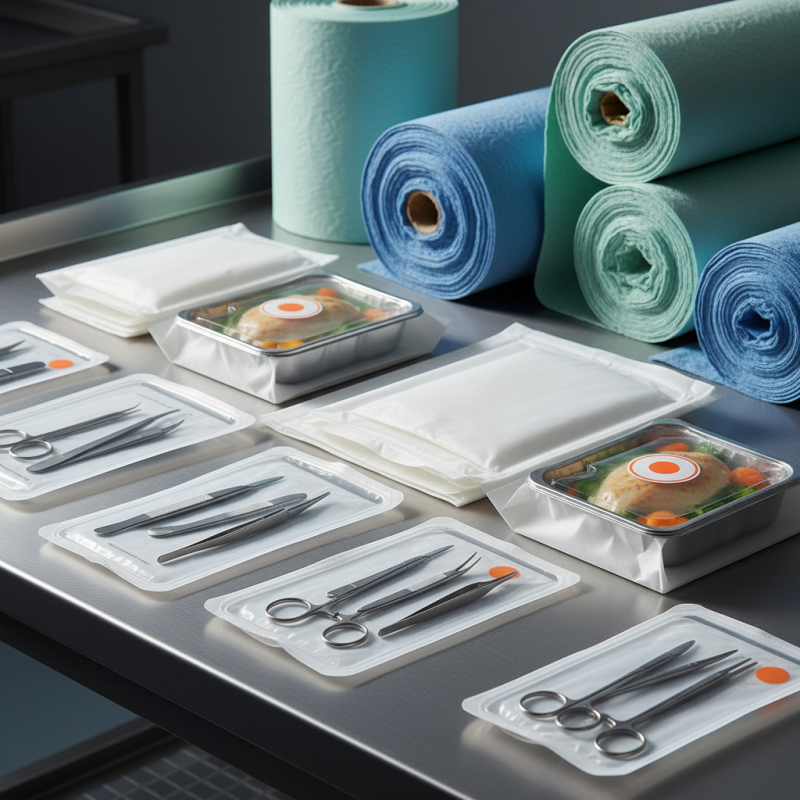
Sterilization packaging plays a critical role in ensuring the safety and efficacy of medical devices. It protects the products from contamination and maintains their integrity until they reach healthcare providers. Without effective packaging, the risk of infection increases significantly. This can have severe consequences for patients relying on these devices for their health.
Accurate sterilization is essential. Inadequate packaging may compromise the sterility of medical devices. As a result, healthcare facilities face increased operational costs and potential liabilities. Manufacturers must continually assess their sterilization methods and packaging material. This creates a cycle of improvement that enhances safety standards in the medical field.
Tips: Always verify packaging integrity before use. Look for signs of damage or compromise. Training staff about correct sterilization practices can prevent many issues. Regular audits of sterilization processes can further ensure compliance with safety standards. Ultimately, investing in quality sterilization packaging can save lives and protect institutions from costly mistakes.
Sterilization packaging plays a crucial role in healthcare. Key statistics reveal its impact on reducing infections. Properly sterilized instruments significantly lower infection rates. In fact, studies indicate that the right packaging can cut infection risk by up to 60%. This statistic alone showcases how important these materials are in clinical settings.
Choosing the right sterilization packaging requires expertise. It's not just about sealing instruments; it's about maintaining sterility. Packaging must withstand temperature and pressure during the sterilization process. If compromised, the risk of infection increases. It’s alarming how often packaging fails, leading to serious health consequences.
Tips: Always double-check packaging integrity before use. Look for any signs of damage. Additionally, staff should receive regular training on sterilization protocols. An inconsistency in practices can create vulnerabilities. Regular audits can ensure adherence to these vital procedures. Observing these details can help uphold safety standards in any medical environment.
Sterilization packaging plays a crucial role in maintaining the integrity of medical devices and pharmaceuticals. Studies indicate that improper sterilization can lead to product contamination, significantly impacting shelf life and quality. For instance, a report by the World Health Organization highlights that inadequate packaging can decrease the efficacy of sterile products by up to 20%. This issue often goes unnoticed until it’s too late, emphasizing the necessity of rigorous packaging standards.
The shelf life of sterilized products can be dramatically affected if the packaging fails to provide adequate barrier protection. Materials must prevent moisture, light, and microbial ingress. According to the Association for the Advancement of Medical Instrumentation, up to 70% of sterilization failures can be attributed to inadequate packaging solutions. This statistic is alarming, as it underlines the importance of proper material selection and handling processes.
Quality assurance is paramount. There are countless cases where manufacturers underestimate the significance of sterilization packaging. Real-world errors include using materials that aren't compatible with sterilization methods. These oversights can lead to compromised products, potentially harming patients and increasing economic losses. Investing in reliable sterilization packaging is not merely a choice; it’s an essential requirement for ensuring safety and longevity.
| Reason | Impact on Shelf Life | Impact on Quality | Additional Notes |
|---|---|---|---|
| Prevention of Contamination | Extends product shelf life by ensuring sterility. | Preserves the integrity and safety of the product. | Essential for medical devices and food packaging. |
| Regulatory Compliance | Ensures products meet safety regulations. | Maintains quality standards required by authorities. | Critical for market access and consumer trust. |
| Cost-Effectiveness | Reduces waste due to spoilage and contamination. | Contributes to better product quality leading to higher sales. | Investing in proper packaging saves money long-term. |
| Extended Storage Options | Allows for longer storage periods without degradation. | Maintains original quality for an extended time. | Facilitates more efficient inventory management. |
| Consumer Confidence | Products are trusted to be safe and effective. | Quality assurance leads to strong customer loyalty. | Packaging is a key part of brand reputation. |
| Risk Reduction | Decreases the chance of product recalls due to contamination. | Ensures that quality is maximized across the product lifecycle. | Mitigates legal and financial risks related to safety. |
| Adaptability to Various Products | Can be tailored to meet specific product needs. | Maintains unique qualities of different products. | Versatile for medical, food, and consumer goods. |
| Sustainability | Better packaging leads to less waste overall. | Maintains quality while being environmentally conscious. | Promotes green initiatives in packaging. |
| Supply Chain Efficiency | Improves logistics by reducing damages during transport. | Enhances product quality upon reaching customers. | Critical for maintaining product integrity throughout distribution. |
Sterilization packaging plays a critical role in the healthcare industry. It ensures that medical devices and instruments remain free from contaminants during storage and transport. Regulatory standards govern this packaging to guarantee safety and efficacy. Organizations such as ISO and ASTM provide frameworks that manufacturers must follow. Compliance is not optional; it is essential for patient safety.
The standards focus on materials, barrier properties, and sterilization methods. Various testing protocols verify that packaging can withstand sterilization processes like steam and ethylene oxide. Packaging must meet specific requirements to maintain sterility until the point of use. For example, tests measure resistance to puncture or moisture. Despite these rigorous standards, challenges exist. Some manufacturers struggle with full compliance. Lack of understanding often leads to packaging that does not provide adequate barrier protection.
Packaging failure can have severe consequences. A breach may result in infection risks for patients. Furthermore, the financial implications of non-compliance can be significant. Companies face recalls, fines, and damage to their reputations. This highlights the need for continuous education and awareness regarding sterilization packaging standards. There is always more to learn in this critical area of healthcare. Understanding these standards is vital for anyone involved in the production or distribution of medical products.
Emerging technologies in sterilization packaging are shaping the future of medical and food safety. These innovations aim to enhance product integrity and shelf life. Advanced materials now provide superior barrier properties. They effectively block moisture, gases, and contaminants. These packaging solutions cater to various needs, from pharmaceuticals to perishable food items.
Smart packaging technology is gaining traction. It includes sensors that monitor product conditions in real time. Data collected can indicate changes that may compromise sterility. This feedback loop enhances quality control. Such features reflect a growing demand for transparency and trust in packaging.
Sustainability is another crucial trend. Companies explore biodegradable and recyclable materials. While this shift is promising, challenges remain. Not all eco-friendly options deliver the same level of protection as traditional materials. This balance between sustainability and efficacy requires ongoing research. As these technologies evolve, they promise not just improvements in safety but also in environmental responsibility.
Sterilization packaging plays a critical role in the healthcare and pharmaceutical industries. Here are the top ten reasons, represented in the chart below:
: It significantly reduces infection rates, cutting the risk by up to 60%. This is crucial in clinical settings.
Inadequate packaging can lead to contamination, decreasing efficacy by up to 20%. This can jeopardize patient safety.
Always examine packaging for any signs of damage or compromise. This helps maintain sterility.
Regular training on sterilization protocols is essential. Inconsistencies can create vulnerabilities in patient care.
Materials must resist moisture, light, and microbes. Choosing the right ones is critical to avoid sterilization failures.
Regular audits ensure adherence to safety standards. They help catch unnoticed issues before they escalate.
Yes, inadequate packaging can greatly reduce shelf life. It's essential for maintaining product quality over time.
Compromised products can harm patients and lead to economic losses. This highlights the necessity of careful material selection.
Up to 70% of failures result from inadequate packaging, showcasing the critical role packaging plays.
Many underestimate its significance, leading to serious errors. Reliable packaging is essential for ensuring safety.
Sterilization packaging plays a crucial role in ensuring the safety and efficacy of medical devices. Understanding what is the importance of sterilization packaging is essential for minimizing infection risks in healthcare settings. Key statistics demonstrate that effective sterilization packaging significantly reduces the likelihood of contamination, thereby enhancing patient safety. Additionally, proper sterilization packaging directly influences the shelf life and overall quality of medical products, ensuring they remain viable and safe for use over time.
Regulatory standards within the healthcare industry mandate adherence to specific protocols regarding sterilization packaging, emphasizing its importance in maintaining high safety benchmarks. Furthermore, emerging technologies and innovations in sterilization packaging solutions continue to evolve, promising enhanced protection and efficiency in the medical field. In summary, the significance of sterilization packaging cannot be overstated, as it safeguards both patients and products in an increasingly complex healthcare landscape.

LeienCare Tech