What Is the Latest Trend in Surgical Technology?

Time:2026-09-19 Author:Amelia
0%

Surgical technology is changing from a collection of advanced tools into a connected clinical environment. Robots, artificial intelligence, real-time imaging, and smart instruments are influencing how surgeons plan and perform procedures. Yet technology alone does not guarantee better care. Patient selection, surgical judgment, team training, and dependable hospital systems remain essential.

So, what are the latest trends in surgical technology? Current developments include robotic platforms with improved dexterity, three-dimensional visualization, augmented reality overlays, and AI-assisted image analysis. Some systems can identify anatomical structures during surgery, helping clinicians work with greater precision. Wearable devices and connected operating rooms may also improve communication, documentation, and workflow efficiency. These advances are most valuable when they solve a clear clinical problem, such as reducing unnecessary tissue damage or supporting safer navigation around delicate nerves and blood vessels.

The evidence is still developing. Not every impressive demonstration translates into shorter recovery or fewer complications. That distinction matters. Experienced surgeons often describe technology as an extension of their skills, not a replacement for them. Hospitals must evaluate training requirements, maintenance costs, cybersecurity, accessibility, and patient outcomes before adopting new systems. This article examines the most important innovations shaping modern surgery, while considering their practical limits. The future looks promising, but it should remain evidence-led, transparent, and centered on the individual patient. Mistakes will happen. Careful review must follow.
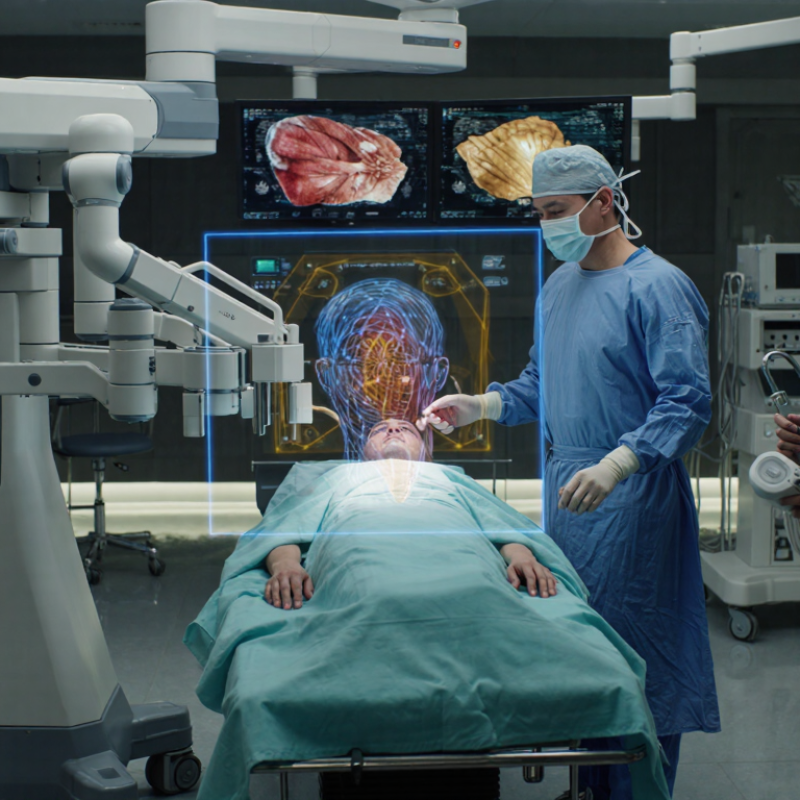
What Is the Latest Trend in Surgical Technology?

Defining the Latest Advances in Surgical Technology

The latest advances in surgical technology focus on precision, data, and safer decision-making. Robotic platforms now provide steadier instrument control, three-dimensional views, and smaller access points. Grand View Research estimated the global surgical robotics market at about $7.4 billion in 2023. It projects an 18.5% compound annual growth rate from 2024 to 2030.

Artificial intelligence is moving into image analysis, surgical planning, and operating-room workflow. The U.S. Food and Drug Administration’s 2024 list contained more than 1,000 authorized AI-enabled medical devices across healthcare. Only some support surgery directly. That distinction matters. A glowing screen does not replace clinical judgment. Surgeons still need reliable imaging, clear data, and training with realistic tissue models.

Remote monitoring and digital simulation are also changing preparation. A surgeon can review a patient’s scan, rehearse a complex route, and compare outcomes after the procedure. The Lancet Commission on Global Surgery reported that about 5 billion people lack access to safe, affordable surgical care. Technology must address that gap, not only improve premium hospitals. High equipment costs, maintenance delays, and uneven staff training remain serious barriers. The promise is real, but adoption is not automatically progress. Some systems still create extra alerts and slower workflows. That weakness deserves honest measurement.

Exploring Robotics, Artificial Intelligence, and Surgical Automation

Surgical technology is moving toward connected, semi-automated operating rooms. Robotic platforms translate a surgeon’s hand movements into smaller, steadier instrument actions. Artificial intelligence can review scans, highlight anatomy, and estimate surgical risks before an incision. During procedures, software may track blood loss, instrument position, and changes in vital signs. These tools support decisions; they do not replace clinical judgment.

A practical test is simple: can the team explain why the system made a recommendation? An alert beside a live image may help, but confusing interfaces can slow urgent work. Automation also reduces repetitive tasks, such as camera control and instrument counting. Yet training data may underrepresent certain patients, and false confidence remains a serious weakness. That limitation deserves attention. In real operating rooms, unexpected delays still occur when systems lose data connections or require manual correction.

Tips: Start with validated clinical use cases. Measure accuracy, response time, and unexpected interruptions. Keep a trained human decision-maker present. Review errors openly. Small details matter. Surgical teams should also document how recommendations were checked, especially when patient anatomy differs from standard imaging examples.

Examining Minimally Invasive and Image-Guided Procedures

What Is the Latest Trend in Surgical Technology?

Minimally invasive and image-guided procedures are reshaping modern operating rooms. Surgeons now use small incisions, high-resolution cameras, ultrasound, and real-time navigation. These tools can reduce tissue damage, blood loss, and hospital stays. However, better technology does not guarantee better care.

The Lancet Commission on Global Surgery estimated that about 313 million operations occur worldwide each year. It also reported that five billion people lack access to safe, affordable surgical care. This gap matters. Advanced imaging may improve precision, but training, maintenance, and reliable infrastructure remain essential. Evidence from minimally invasive surgery often shows faster recovery, although results can vary by procedure and patient. The evidence is strong, but not perfect. Some systems also increase costs and learning time.

Tips: Ask how image guidance will change your specific procedure. Confirm the surgeon’s experience with the technique. Discuss recovery time, possible conversion to open surgery, and follow-up access. A detailed scan on the screen cannot replace careful clinical judgment. In practice, the best results usually combine technology with disciplined teamwork, clear communication, and patient selection. Even experienced teams must review complications honestly. That reflection improves future care.

What Is the Latest Trend in Surgical Technology? - Examining Minimally Invasive and Image-Guided Procedures

Key developments in minimally invasive and image-guided surgery
Technology or Procedure Typical Clinical Use Guidance Method Main Advantages Important Considerations
Laparoscopic surgery Abdominal and pelvic procedures, including gallbladder, appendix, hernia, and gynecologic operations Rigid camera, high-definition video, and direct visualization through small ports Smaller incisions, less postoperative pain, shorter hospital stays, and faster recovery in many procedures Requires specialized training; visibility and instrument movement can be restricted compared with open surgery
Endoscopic procedures Diagnosis and treatment within the gastrointestinal, respiratory, urinary, and nasal passages Flexible or rigid endoscope with an integrated camera and working channels Often avoids external incisions and can combine diagnosis with treatment during one session Effectiveness depends on anatomy, operator skill, sedation requirements, and the complexity of the lesion
Image-guided needle procedures Biopsy, drainage, ablation, vascular access, and targeted injections Ultrasound, computed tomography, magnetic resonance imaging, or fluoroscopy Improves targeting of deep or small structures while limiting tissue disruption Image quality, radiation exposure, organ motion, and the need for real-time needle visualization vary by modality
Computer-assisted surgical systems Complex minimally invasive operations requiring precise dissection or suturing Three-dimensional visualization, motion scaling, and electronically controlled instruments Enhanced dexterity, stable camera control, and improved ergonomics for selected procedures Higher equipment and training requirements; clinical benefits depend on procedure type and surgical expertise
Intraoperative ultrasound Liver, breast, brain, vascular, and soft-tissue surgery Real-time ultrasound imaging performed during the operation Provides immediate information about anatomy, blood flow, residual disease, and margins without ionizing radiation Image interpretation is operator-dependent and may be affected by air, bone, or limited acoustic windows
Augmented-reality navigation Selected neurosurgical, orthopedic, spinal, and tumor procedures Preoperative scans overlaid on the patient or viewed through navigation displays Supports spatial orientation and helps relate hidden anatomy to the operative field Accuracy can be affected by patient movement, tissue deformation, registration error, and workflow complexity
Fluorescence-guided surgery Assessment of blood flow, lymphatic drainage, biliary anatomy, and selected tumor margins Near-infrared or other optical imaging after administration of a fluorescent agent Provides visual information that may not be apparent under standard white light Signal depth is limited, image interpretation requires experience, and not every tissue or tumor displays reliably
Image-guided thermal ablation Selected tumors and abnormal tissue treated with heat or cold Ultrasound, computed tomography, or magnetic resonance imaging for probe placement and treatment monitoring Can treat selected lesions through a percutaneous approach with limited damage to surrounding tissue Suitability depends on lesion size, location, nearby organs, heat-sink effects, and complete treatment coverage
Artificial intelligence-assisted planning Image segmentation, surgical planning, risk assessment, and workflow support Algorithms analyze medical images and clinical data under professional supervision May reduce repetitive planning tasks and help identify anatomical structures or operative risks Requires validated data, privacy safeguards, human oversight, and monitoring for bias or inaccurate recommendations
Single-incision and natural-orifice approaches Selected abdominal, pelvic, and diagnostic procedures Endoscopic camera systems and specialized access instruments May reduce the number of external access sites and improve cosmetic outcomes Instrument crowding, limited triangulation, and procedure-specific evidence may restrict widespread adoption
Overall trend: Surgical technology is moving toward smaller access points, real-time multimodal imaging, data-assisted planning, and procedures tailored to individual anatomy. Clinical value depends on patient selection, evidence quality, operator training, and safe integration into the surgical workflow.

Assessing Smart Surgical Devices and Personalized Treatment

What Is the Latest Trend in Surgical Technology?

Assessing Smart Surgical Devices and Personalized Treatment

The latest trend is the integration of smart surgical devices with personalized treatment plans. These systems can process imaging, vital signs, and surgical movements during a procedure. A console may display a patient’s three-dimensional anatomy beside live tissue data. This helps clinicians adjust technique instead of following a rigid plan.

Personalization begins before the operation. Software can compare a patient’s medical history, anatomy, medication use, and recovery risks. Surgeons may then select a smaller incision, a different implant size, or a tailored rehabilitation schedule. During surgery, sensors can monitor pressure, bleeding patterns, and instrument position. Useful alerts should support judgment, not replace it.

Human oversight remains essential. Smart devices require careful calibration, secure data handling, and transparent clinical validation. Hospitals should examine independent studies, error rates, training requirements, and performance across different patient groups. A device that works well in a controlled trial may behave differently in a crowded operating room. That gap matters.

The promise is real. My confidence is not unlimited. Some alerts arrive too often, while other systems remain difficult to explain. Clinicians must question automated recommendations, especially when the patient’s condition changes quickly. Personalized care also needs meaningful consent, because treatment data can reveal sensitive health details. Better surgery will depend on both advanced hardware and disciplined clinical reasoning.

What Is the Latest Trend in Surgical Technology?

Growth in AI-enabled medical devices is supporting smarter surgical workflows, including image guidance, intraoperative decision support, automation, and more patient-specific treatment planning.

The chart shows annual counts of FDA-listed AI/ML-enabled medical devices by clearance year. The FDA dataset covers all medical specialties, so it is a broader technology trend indicator rather than a surgery-only count. Source: U.S. FDA AI/ML-Enabled Medical Devices.

Evaluating the Benefits, Risks, and Future Development of Surgical Technology

The latest trend in surgical technology is intelligent, minimally invasive care. Advanced systems combine high-resolution imaging, robotic instruments, and data-supported planning. Surgeons can view delicate anatomy on enlarged screens and control instruments with filtered movements. Smaller incisions may reduce blood loss, pain, and hospital stays. The promise is real. However, a newer device does not automatically create better care.

Published clinical evidence remains essential when evaluating these systems. Benefits can vary with the procedure, hospital, and surgeon’s experience. A complex platform may also increase operating time, maintenance costs, and training demands. During surgery, software failure or poor image quality could delay decisions. Cybersecurity requires serious attention, especially when patient data moves across connected systems. Technology should support clinical judgment, not quietly replace it.

Future development will likely focus on artificial intelligence, real-time tissue analysis, and more personalized surgical planning. These tools might identify abnormal tissue or warn about hidden risks, but their recommendations need independent testing. Training should include realistic complications, not only successful demonstrations. I would also question whether every hospital needs the most advanced equipment. Unequal access remains a practical concern. A useful innovation must improve safety, measurable outcomes, and patient understanding without creating unnecessary complexity.

FAQS

What are the latest advances in surgical technology?

Current advances include robotic instruments, artificial intelligence, image guidance, and digital simulation. These tools aim to improve precision and decision-making. Progress is not automatic.

How can robotic systems support surgery?

Robotic platforms can translate hand movements into smaller, steadier actions. They may provide three-dimensional views and smaller access points. A surgeon still controls the procedure.

Can artificial intelligence replace a surgeon’s judgment?

No. Artificial intelligence can review scans, highlight anatomy, and estimate possible risks. Its recommendations need clinical review and clear explanation. A bright screen is not enough.

What benefits can minimally invasive procedures offer?

Smaller incisions may reduce tissue damage, blood loss, and hospital stays. Recovery can be faster for some procedures and patients. Results still vary.

How does image guidance help during an operation?

High-resolution cameras, ultrasound, and navigation can show anatomy in real time. They may help teams plan routes and avoid important structures. Images can be misleading when anatomy differs from standard examples.

What problems can surgical automation create?

Systems may generate extra alerts, slow urgent work, or lose data connections. Teams might need manual correction during a procedure. That risk deserves honest measurement.

What should patients ask before choosing advanced surgical technology?

Ask how the technology changes your specific procedure. Check the surgeon’s experience and expected recovery time. Discuss possible conversion to open surgery and follow-up access.

Can advanced surgical technology improve care everywhere?

Not by itself. Safe care also requires trained staff, maintenance, reliable imaging, and stable infrastructure. High costs can exclude many hospitals and patients. Access matters greatly.

Conclusion

This article explores what are the latest trends in surgical technology and how they are transforming modern healthcare. It examines advances in robotic assistance, artificial intelligence, and surgical automation, explaining how these tools can support greater precision, improved decision-making, and more efficient procedures. The discussion also covers minimally invasive techniques and image-guided surgery, which may reduce tissue damage, shorten recovery times, and help surgeons navigate complex anatomical areas with greater confidence.

In addition, the article considers the development of smart surgical devices that collect and interpret real-time information during treatment. These technologies can support personalized care by helping medical teams adapt procedures to each patient’s condition and needs. Alongside the potential benefits, the article evaluates important risks, including technical limitations, data security, training requirements, and the need for careful clinical oversight. It concludes by considering how continued research, responsible implementation, and collaboration among healthcare professionals may shape the future of surgical technology.

Amelia

Amelia

Amelia is a seasoned marketing professional with a wealth of expertise in our company’s core offerings. With an unwavering passion for driving growth and innovation, she plays a pivotal role in shaping our marketing strategies and enhancing brand visibility. A key aspect of her responsibilities......