Single-use medical supplies are often treated as a simple convenience. In a busy clinic, though, a sealed syringe, dressing, or specimen container can shape the next steps in patient care. So, what are the benefits of single use medical supplies? The answer involves infection prevention, workflow, and the limits of disposable products. These items are intended for one patient or procedure, then discarded according to facility procedures. That can reduce reliance on cleaning and sterilization between uses. It may also lower the chance of errors during reprocessing. But no product removes every risk.
Dr. William A. Rutala, an infection-prevention expert, has contributed extensively to guidance on disinfection and sterilization. A careful paraphrase of the practical lesson from his work is: single-use supplies can support infection control, but they do not replace proper handling, hand hygiene, or clinical judgment. That distinction matters. A sterile package can be compromised before use, and disposal still needs care. Single-use products may also create more waste and require reliable supply planning. These trade-offs deserve attention, not a sales pitch. The sections ahead examine how single-use supplies can help protect patients, simplify clinical workflows, and support consistent practice, while also considering cost, waste, and appropriate selection. The benefits depend on context. A disposable item is useful only when it suits the task, is used as intended, and fits a broader safety system.
Definition and Scope of Single-Use Medical Supplies
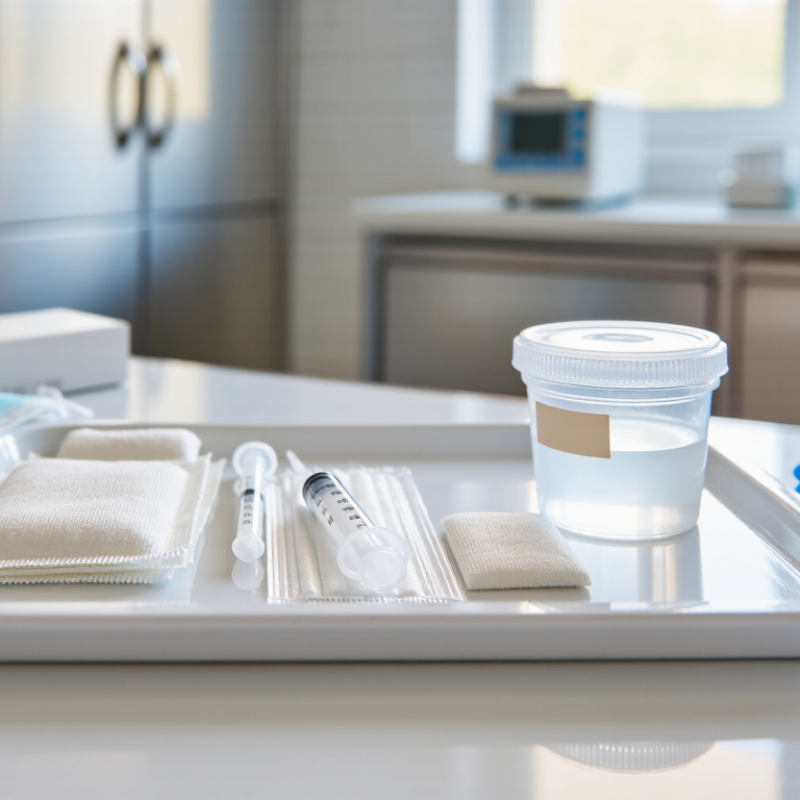
Single-use medical supplies are products intended for one patient, procedure, or care episode, then discarded. They are not designed for routine reprocessing and reuse. Common examples include examination gloves, disposable syringes, wound dressings, specimen containers, and some catheters. Some are supplied sterile; others are not. The label alone does not tell the whole story. Staff need to check the product instructions and packaging.
Their scope reaches across hospitals, clinics, laboratories, and home care. A supply may support diagnosis, treatment, protection, or basic hygiene. For example, a sealed dressing may cover a wound, while a specimen cup holds a sample for testing. These items differ in material, intended contact, and handling needs. Not every disposable product is used in the same way. That detail matters. Clear identification helps staff select and dispose of supplies appropriately. In practice, the boundary between a “supply” and a larger medical device can feel less tidy than a definition suggests, so the intended use remains important.
Single-use medical supplies arrive sterilized and ready for one procedure, avoiding the cleaning, inspection, packaging, and sterilization steps required for reusable devices. That can matter when a device has a narrow lumen or a hinge that is difficult to inspect. Reprocessing adds opportunities for residue or moisture to remain. Still, single-use does not mean risk-free: a torn pouch, damp packaging, or expired stock can compromise sterility.
Technical benchmarks clarify what sterility claims mean. ISO 11135 and ISO 11137 describe validated ethylene oxide and radiation sterilization processes. A commonly applied sterility assurance level (SAL) of 10⁻⁶ represents a one-in-a-million probability of a viable microorganism remaining after processing. It is a statistical target, not a guarantee that every unit is individually tested. The CDC’s sterilization guidance calls for sterilizing critical devices that enter sterile tissue or the vascular system. WHO’s 2022 global infection prevention report notes that effective infection-prevention measures can prevent up to 70% of healthcare-associated infections; that estimate reflects broader measures, not disposable supplies alone.
Tips: Check the package seal and expiry date before opening. Keep supplies dry, and discard compromised packs. Match the device to the procedure and follow its handling instructions.
CDC estimates that about one in 31 hospital patients has at least one healthcare-associated infection on a given day. That figure describes a burden, not proof that reusable equipment caused an infection. The estimate can sound like a verdict, but it is a snapshot, not a forecast for every ward. Still, a contaminated dressing forceps or irrigation tip can carry organisms between surfaces or patients. Single-use items are discarded after one patient, reducing opportunities for that route of transfer. A small safeguard.
Protection begins before contact. Staff check the package seal and use the item as directed. A disposable syringe, glove, or wound-care component should not be shared or reused. After use, proper disposal matters; a waste bin is not a substitute for hand hygiene or clean technique. These steps are basic, but busy rooms make consistency harder than it sounds.
Single-use supplies do not prevent every HAI. Infections can arise from a patient’s own microbes, contaminated environments, invasive devices, or gaps in care. Disposable products also create waste, so choosing them indiscriminately is not a sound infection-control plan. The relevant question is whether a particular item can be safely reprocessed under validated procedures, or whether discarding it after one use offers a meaningful safety advantage. That judgment belongs in evidence-based protocols, with training and surveillance.
Single-use medical supplies can speed room turnover by arriving ready for use, with no local cleaning, inspection, packaging, or sterilization cycle. A nurse can open a sterile dressing pack beside the treatment cart, use it, and move directly to the next patient-care task. The CDC’s Guideline for Disinfection and Sterilization in Healthcare Facilities describes the multiple stages required to reprocess reusable devices. Removing those stages from a facility’s workflow can ease pressure on staff and equipment. That matters.
The World Health Organization’s 2014 Safe management of wastes from health-care activities reports that about 85% of health-care waste is general, non-hazardous waste, while roughly 15% is hazardous. These figures cover health-care waste broadly, not single-use supplies alone. Still, they underscore why faster turnover should not mean careless disposal. Staff need clear segregation points, correctly sized bins, and supplies placed where they are used.
The benefit is practical, but not automatic. A clinic may save time on reprocessing and then lose it searching for stock or replacing empty carts. I have seen the smallest workflow details matter: a sealed pack within arm’s reach beats a trip across the corridor. Single-use items also require dependable inventory checks and waste handling. Track room-ready time and missed-stock events; the results may reveal bottlenecks that reprocessing alone never caused.
Single-use medical supplies are designed for one patient encounter, which can simplify infection-control decisions. Staff do not need to assess whether a used item was cleaned thoroughly or still works. A sealed dressing pack or sterile catheter is ready when needed. That convenience has value, especially in busy units. It is not a guarantee of zero risk; storage, handling, and correct use still matter.
The trade-off is cost. Buying a new device for every use can raise supply spending, while reprocessing may reduce purchase costs for eligible devices. In the United States, FDA rules apply to reprocessed single-use devices. Reprocessors must meet applicable requirements for cleaning, sterilization, performance, and labeling, and are regulated as manufacturers. Not every device is suitable. Hospitals should confirm that a device is eligible and follow its instructions, rather than assume local cleaning makes reuse acceptable. The details matter.
Waste remains. Used supplies may include plastic, packaging, and metal, much of it discarded after one procedure. But reducing waste cannot come at the expense of verified safety. A careful comparison looks at device performance, staff time, reprocessing controls, and disposal—not just the purchase price. The awkward truth is that neither option is automatically better in every setting. Sometimes the safer choice also creates more waste.
They are intended for one patient, procedure, or care episode, then discarded. They are not designed for routine reuse.
Examples include examination gloves, disposable syringes, wound dressings, specimen cups, and some catheters. Their uses differ.
No. Some arrive sterile, while others do not. Check the packaging and product instructions.
They support care in hospitals, clinics, laboratories, and homes. A dressing might cover a wound; a specimen cup holds a sample.
No. Storage, handling, and correct use still matter. A sealed pack helps, but it cannot prevent every mistake.
Only eligible devices may be reprocessed under applicable requirements. Staff should verify eligibility and follow instructions, not assume local cleaning is enough.
Buying new items can raise supply costs and create plastic, packaging, or metal waste. Reprocessing may lower purchase costs, but needs staff time and controls.
Not always. The decision depends on safety, performance, staff time, and disposal. Sometimes less waste is not the safer option. That trade-off deserves a closer look.
Single-use medical supplies are devices designed for one patient or procedure and then discarded, rather than cleaned and used again. For clinicians asking “what are the benefits of single use medical supplies,” a key advantage is that each item is supplied ready for use, avoiding the cleaning, inspection, and sterilization steps required for reusable devices. This can support consistent sterility and reduce opportunities for contamination between patients. The concern is relevant in a healthcare environment where the CDC estimates that, on any given day, about 1 in 31 hospital patients has at least one healthcare-associated infection; single-use products are one part of infection prevention, not a substitute for broader precautions.
Using these supplies can also speed room turnover and simplify workflows by reducing reprocessing tasks and equipment needs. However, they may increase purchasing expenses and medical waste. Reprocessing certain devices is permitted only under applicable FDA requirements, which include controls intended to ensure safety and performance. Choosing between single-use and reusable options therefore involves weighing infection-control needs, staff time, total costs, environmental impact, and the suitability of the device.

LeienCare Tech