Driving Clinical Excellence through Advanced Manufacturing & Global Supply Chain Innovation
The global demand for minimally invasive surgery (MIS) tools has reached an unprecedented peak. As hospitals and surgical centers transition towards patient-centric outcomes, the reliability of the underlying supply chain—specifically the Endoscopic Tools Factory—becomes the linchpin of operational success. At the forefront of this manufacturing revolution is Dongguan LeienCare Tech Co., Ltd., which exemplifies the fusion of precision engineering and rigorous medical compliance.
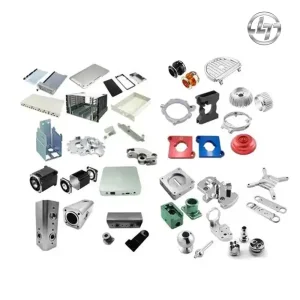
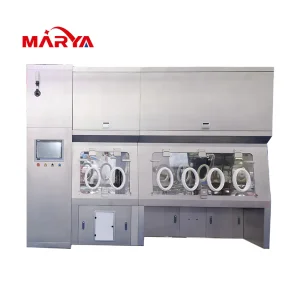
China's dominance in medical device manufacturing is not merely a result of cost efficiencies; it is a result of advanced industrial clusters. In the Pearl River Delta, where LeienCare is positioned, the convergence of high-precision CNC machining, material science innovation, and Aseptic Production (ISO 13485) creates a competitive moat that global buyers recognize.
The surgical instrument landscape is undergoing a paradigm shift. Understanding these trends is critical for procurement managers and hospital buyers to maintain a competitive advantage.
Integration of sensors in endoscopic tools to provide haptic feedback and real-time navigation data.
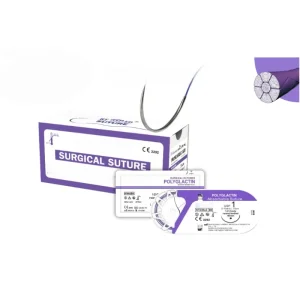
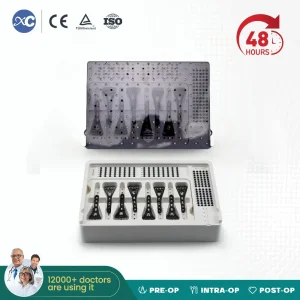
Rising preference for sterile, single-use surgical kits to mitigate cross-contamination risks and sterilization costs.
Redesigning handles and mechanical interfaces to reduce surgeon fatigue during complex, long-duration procedures.
Adoption of environmentally conscious sterilization packaging and biodegradable medical waste solutions.
Countries Served
Years Experience
Sterility Compliance
Product Lineups
Always prioritize ISO 13485 (Medical Devices Quality Management Systems). Additionally, ask for CE marking for EU markets and FDA 510(k) clearances for the USA. LeienCare Tech maintains these strict quality standards to ensure cross-border safety compliance.
OEM focuses on manufacturing products based on your existing design and specifications. ODM (Original Design Manufacturing) leverages the factory's existing R&D and intellectual property, allowing you to private-label high-quality endoscopic tools with minimal lead time.
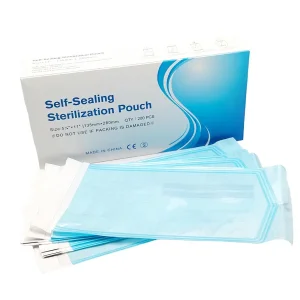
Advanced sterile packaging, such as Tyvek pouches and validated EtO (Ethylene Oxide) sterilization processes, ensures the instruments remain sterile until the moment of use in the operating room.
 LeienCare Tech