High-precision medical instruments and consumables engineered for seamless integration with modern operating room imaging protocols.
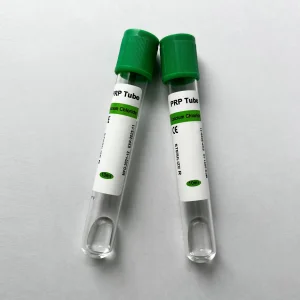
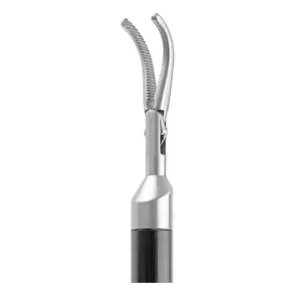
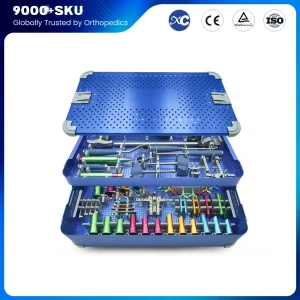
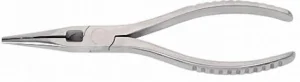
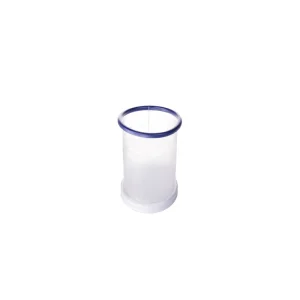
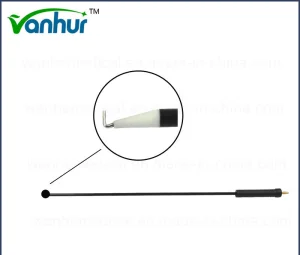

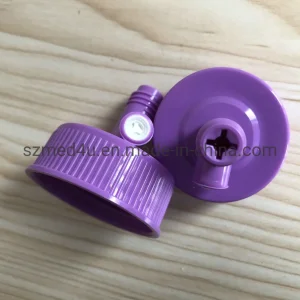
In modern healthcare, the boundary between diagnostics and therapeutic intervention has dissolved. The rapid adoption of Hybrid Operating Rooms (ORs) has placed real-time, intraoperative imaging at the center of clinical workflows. From mobile C-arms and O-arms to integrated intraoperative MRI (iMRI) and high-definition endoscopy, surgical imaging systems are no longer passive observation platforms. They are now dynamic, guiding systems that demand specialized, compatible surgical instruments and sterile consumables to function without introducing artifacts or compromising safety.
As a leading center of medical device manufacturing, China’s surgical imaging ecosystems have adapted. Modern manufacturing now focuses on producing instruments that operate harmoniously within these imaging fields. For example, minimally invasive surgery (MIS) spinal portal instruments must feature specific radiolucent profiles or minimal metallic interference to ensure clear visibility on fluoroscopy panels. Similarly, disposable retractors and wound protectors must maintain structural integrity without creating glare or distorting 3D rendering algorithms used in computer-assisted surgery (CAS).
Utilizing high-performance polymers like PEEK and carbon-fiber composites to minimize X-ray attenuation, ensuring artifact-free imaging during fluoroscopic and CT-guided procedures.
Refining laparoscopic monopolar electrodes and high-frequency instruments to prevent electromagnetic interference (EMI) with high-definition digital camera systems and sensor matrices.
Applying specialized optical coatings and micro-blasting techniques to surgical steel to prevent high-intensity LED illumination reflections during endoscopic procedures.
Mapping the future of clinical intervention from 2D fluoroscopy to multi-dimensional AI-guided surgery.
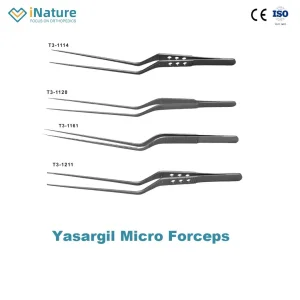
The roadmap for surgical imaging systems and associated surgical instrumentation is defined by three core trends: miniaturization, digitalization, and integration. As clinical protocols shift toward micro-incisions, instruments must shrink while carrying complex functional pathways. For instance, Yasargil micro forceps and micro-neurosurgical tools require extreme dimensional accuracy (<0.02mm tolerance) to operate within the narrow field of view provided by high-magnification surgical microscopes.
Looking forward, the integration of Artificial Intelligence (AI) and Machine Learning (ML) will enable real-time tissue characterization and tracking. A monopolar hook or a biopsy instrument will not merely cut or retrieve tissue; they will be tracked by optical tracking frames, allowing the imaging system to overlay functional anatomical maps directly onto the surgeon’s view. Ensuring that instruments are designed with passive optical markers or compatible geometries is a crucial engineering focus at Dongguan LeienCare Tech Co., Ltd. and other leading manufacturing hubs in China.
| Imaging Modality | Instrument Requirements | Key Challenges Addressed | Future Trend (2025-2030) |
|---|---|---|---|
| Mobile C-Arm / Fluoroscopy | Radiolucent polymers, minimized metal thickness, carbon fiber shafts | Image artifact reduction, clear anatomical margins | Real-time automatic metal artifact reduction (MAR) integration |
| 3D Endoscopy / Laparoscopy | Anti-glare coatings, non-reflective finishes, integrated optics | Visual fatigue, light bloom, loss of depth perception | 4K UHD fluorescence-guided imaging compatibility |
| Intraoperative MRI (iMRI) | Titanium, ceramic, and non-magnetic stainless steel alloys | RF heating safety, projectile hazards, magnetic field distortion | Smart-tagged MRI-safe robotic surgical end-effectors |
| Surgical Navigation (Optical/EM) | Integrated tracker arrays, precise geometric indexing | Sensor calibration shift, line-of-sight blockage | Electromagnetic tracking sensors embedded in disposable instruments |
A true medical manufacturing partner does not just supply individual items; they provide integrated macro-solutions that address complete clinical pathways. Hospitals and medical device brands require unified supply chains that cover everything from patient preparation to post-operative sterilization. Below are the core macro industry solutions where Chinese factories are showing global leadership:
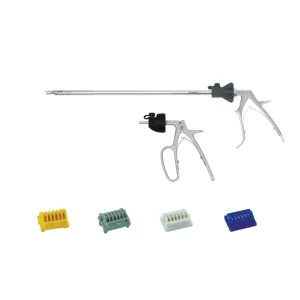
By pairing precision laparoscopic tools—such as titanium clip appliers, monopolar hooks, and reusable suction-irrigation tubes—with high-definition camera consoles, modern factories offer complete procedural kits. These packages reduce purchasing overhead and guarantee that every instrument is mechanically and optically calibrated to the imaging hardware.
Spinal surgeries demand extreme precision under fluoroscopic guidance. Comprehensive solutions include MIS portal systems, micro forceps, and specialized orthopedic wire-cutting scissors. These tools are systematically tested for X-ray visibility, ensuring surgeons can position implants accurately without excessive radiation exposure.
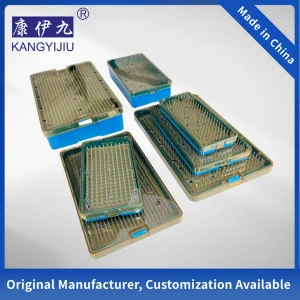
High-value optical and electronic surgical equipment requires rigid sterilization packaging. Custom autoclave-compatible containers, such as PPSU dental and ophthalmic sterilization trays, ensure that sensitive instruments are safely transported, sterilized, and stored. This maintains compliance with strict hospital infection control protocols.
How advanced manufacturing paradigms in Dongguan and medical clusters deliver cost-efficiency and quality.
The manufacturing capabilities of Chinese medical factories have transitioned to the Industry 4.0 standard. Automation, robotic assembly, and digital manufacturing execution systems (MES) ensure that every surgical instrument is produced with identical precision. For companies like Dongguan LeienCare Tech Co., Ltd., this translates to high-volume output without compromising quality.
This automated supply chain offers distinct resilience. By sourcing raw medical-grade materials locally, maintaining in-house mold design facilities, and using advanced CNC Swiss-type machining, these factories shield global buyers from supply disruptions. Precision engineering is paired with cleanroom assembly to ensure that medical consumables, such as IV cannula dressings, wound protectors, and disposable masks, are free from particulate contamination before sterilization.
Sourcing medical devices from overseas requires a structured risk-mitigation framework. Procurement officers at hospitals, distributor networks, and OEM brand owners must balance cost efficiency with regulatory and clinical safety. Below is a checklist for evaluating Chinese surgical equipment manufacturers:
Navigating the global regulatory landscape is a major challenge for medical device distribution. A reliable manufacturing partner provides comprehensive technical documentation to support registration in diverse target markets. This includes providing CE Certificates under the European Medical Device Regulation (MDR 2017/745), FDA 510(k) clearances for the US market, and localized registrations for Latin America, the Middle East, and Southeast Asia.
Furthermore, post-market surveillance (PMS) and risk management files (ISO 14971) are standard parts of the technical documentation. Reliable suppliers offer complete traceability, with batch coding and unique device identification (UDI) compliance, to simplify recall procedures and protect patient safety.
Dongguan LeienCare Tech Co., Ltd. is a professional manufacturer specializing in surgical instruments, disposable surgical supplies, and sterile medical products, serving global healthcare markets as a reliable OEM supplier. The company is committed to delivering high-quality, safe, and efficient medical solutions for hospitals, clinics, laboratories, and healthcare distributors worldwide.
LeienCare Tech offers a comprehensive product portfolio that includes a wide range of surgical instruments, operating room consumables, sterile packaging solutions, and disposable medical supplies designed to meet diverse clinical requirements. All products are manufactured under strict quality control systems and comply with international medical standards to ensure precision, reliability, and patient safety in critical medical environments.
With advanced production facilities, precision manufacturing capabilities, and a strong focus on hygiene and sterilization processes, Dongguan LeienCare Tech Co., Ltd. maintains consistent product quality and scalable production capacity. The company also provides flexible OEM and ODM services, supporting customization in product design, materials, packaging, and private labeling to meet specific customer and market needs.
Driven by innovation, quality assurance, and customer satisfaction, LeienCare Tech continues to expand its global reach. The company is dedicated to supporting healthcare professionals with dependable surgical and disposable medical products that enhance operational efficiency and contribute to improved patient care outcomes.
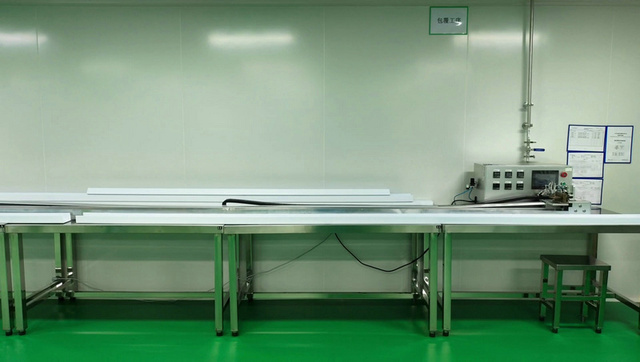

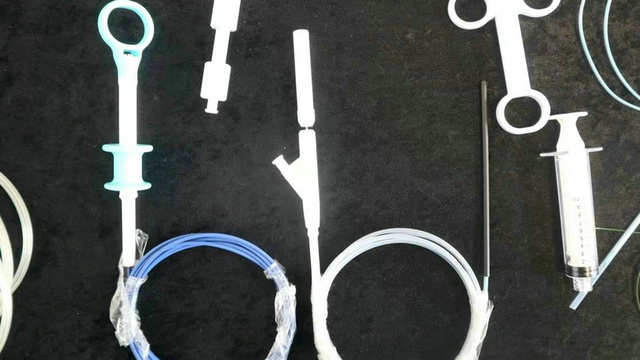

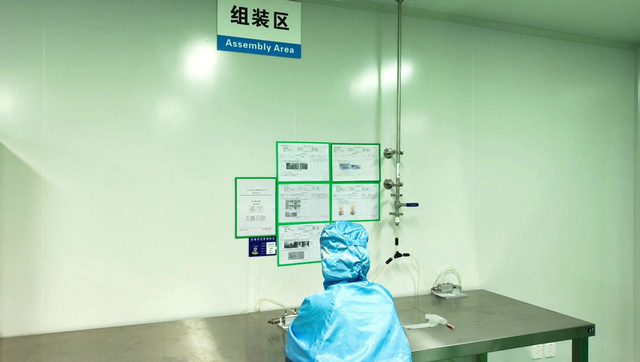
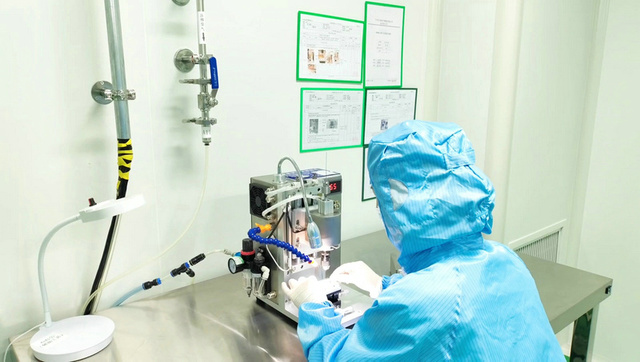

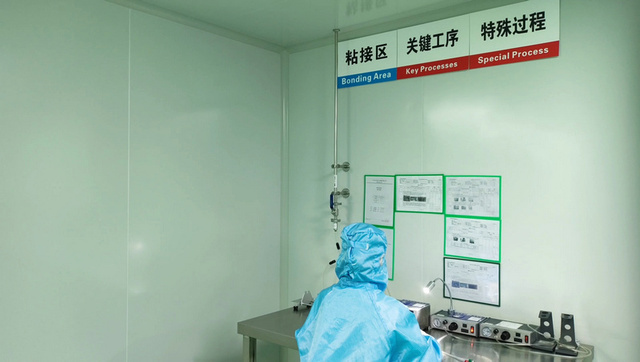
Explore our technical catalog of specialized surgical instruments, sterile containers, and therapeutic tools.


Technical answers regarding sourcing, regulatory standards, and integration protocols for surgical instruments and imaging support systems.
 LeienCare Tech