When is arthroscopy used?
Bones, cartilage, ligaments, muscles, and tendons can all be damaged by disease and injury. To diagnose your condition, your doctor will take a thorough medical history, perform a physical examination and order imaging studies - usually x-rays. For some conditions, an additional imaging study - such as a magnetic resonance imaging (MRI) scan or a computerized tomography (CT) scan - may also be needed. After making a diagnosis, your doctor will determine the most appropriate treatment choice for your condition.
Frequently Asked Questions
What materials are used in the construction of these arthroscopes?
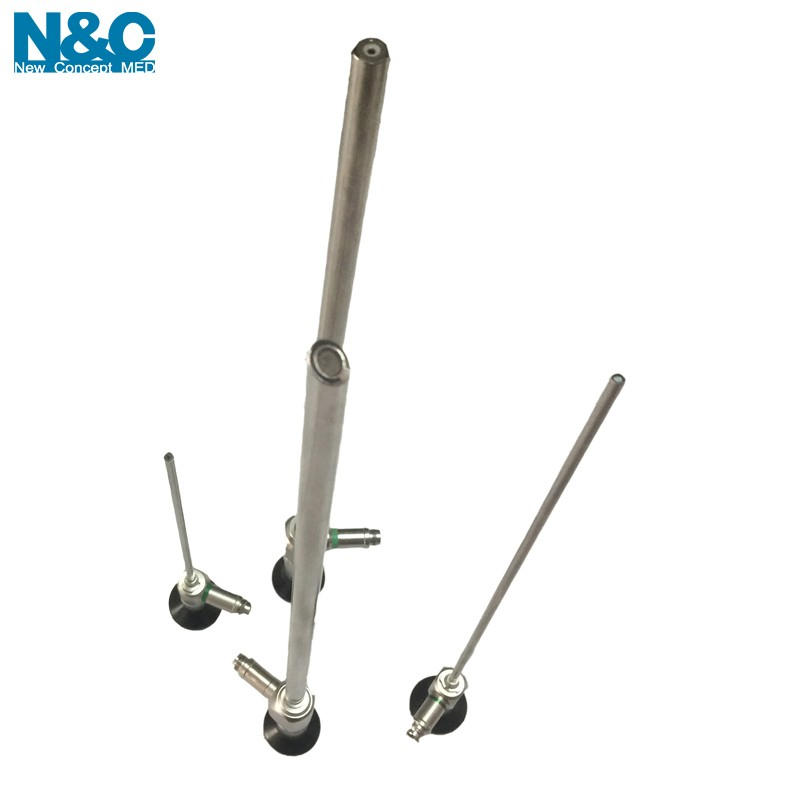
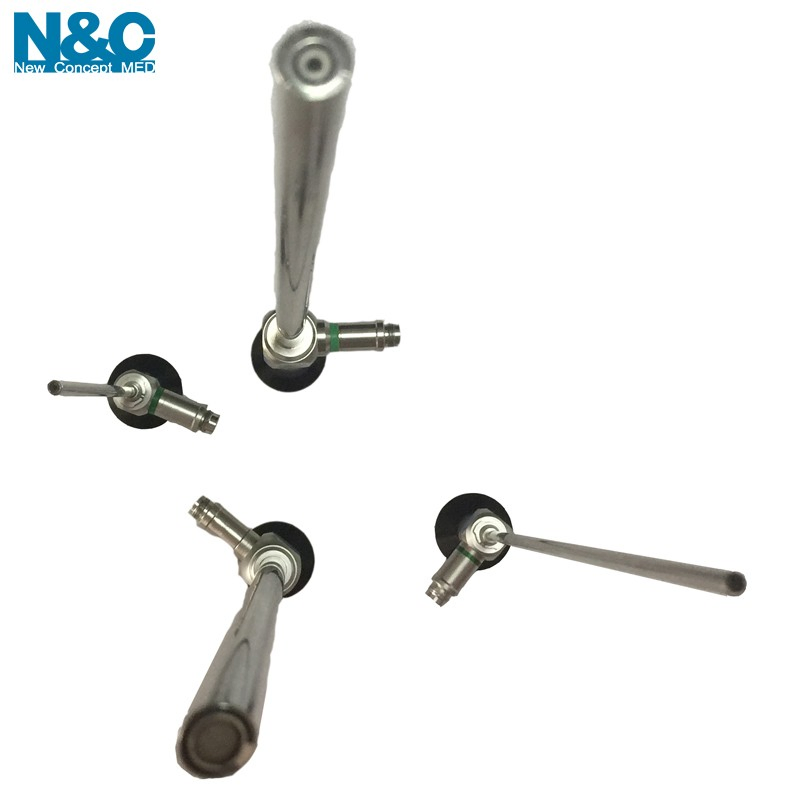
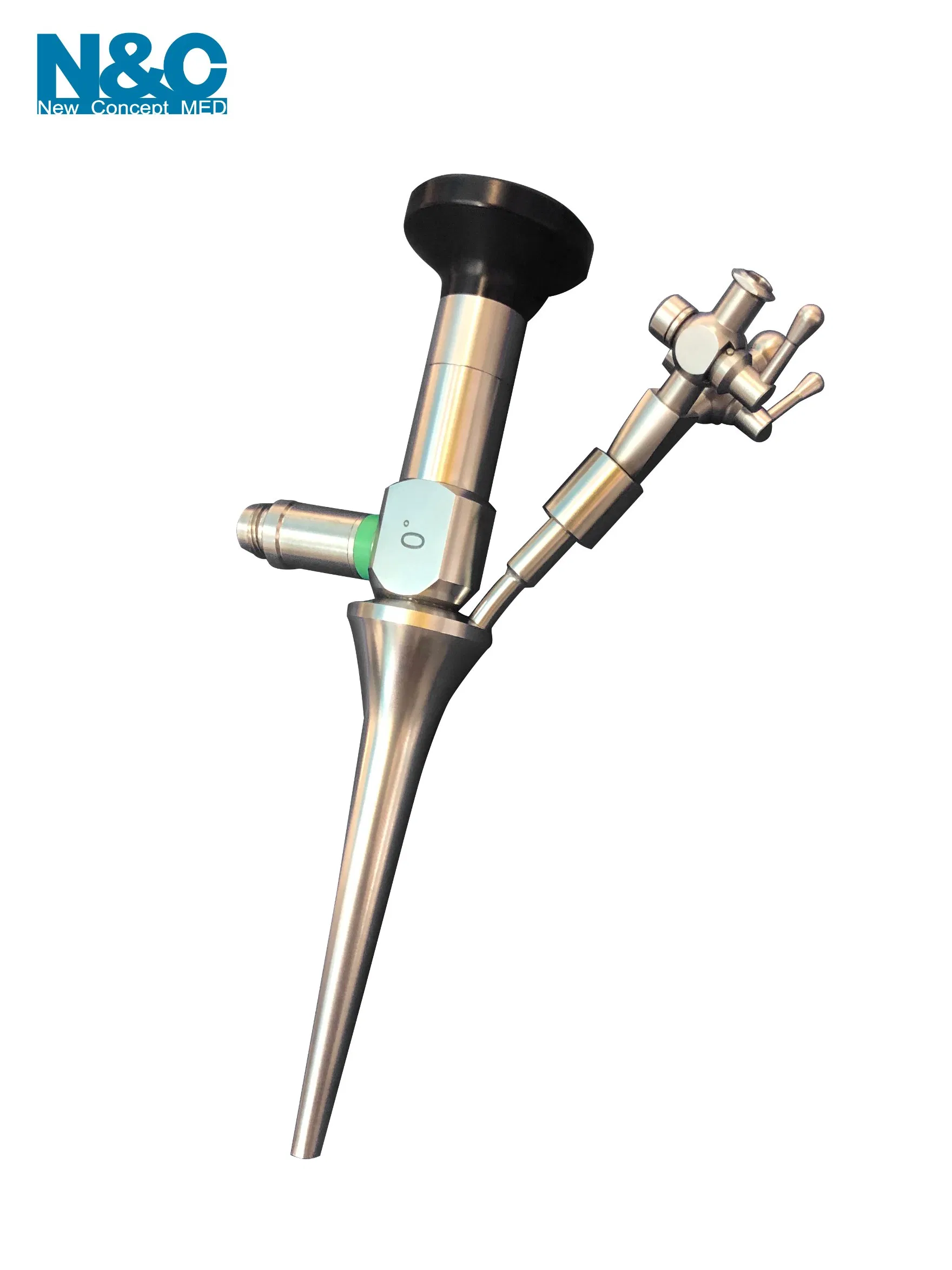
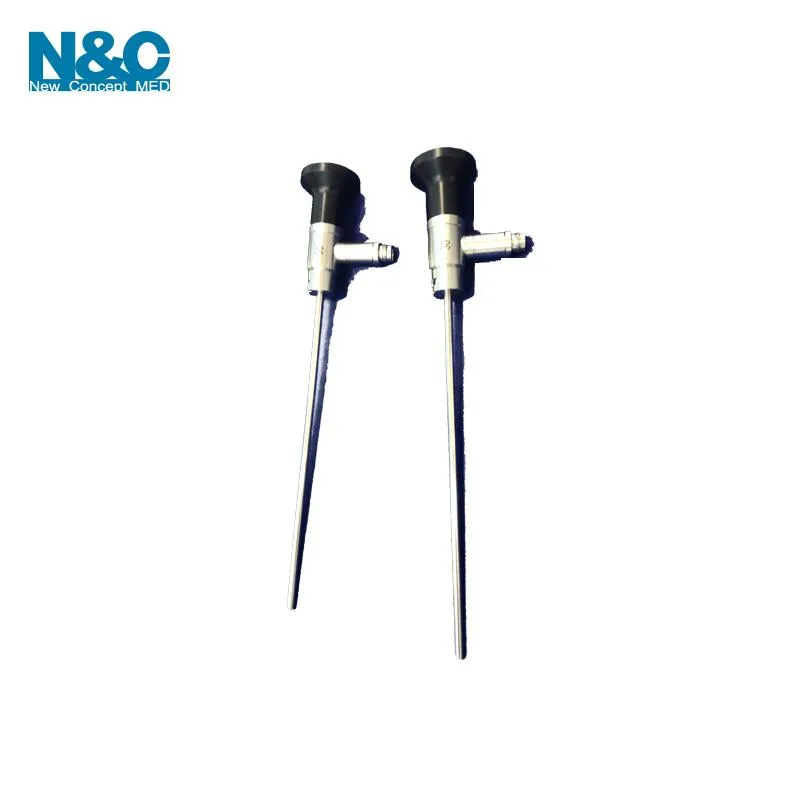
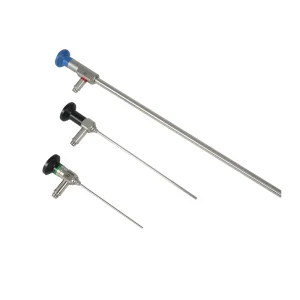
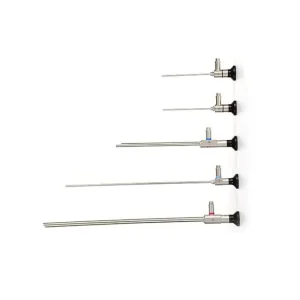
The arthroscopes are manufactured using high-quality stainless steel and feature a sapphire lens cover for maximum durability and abrasion resistance.
What viewing angles are available for the Arthroscope series?
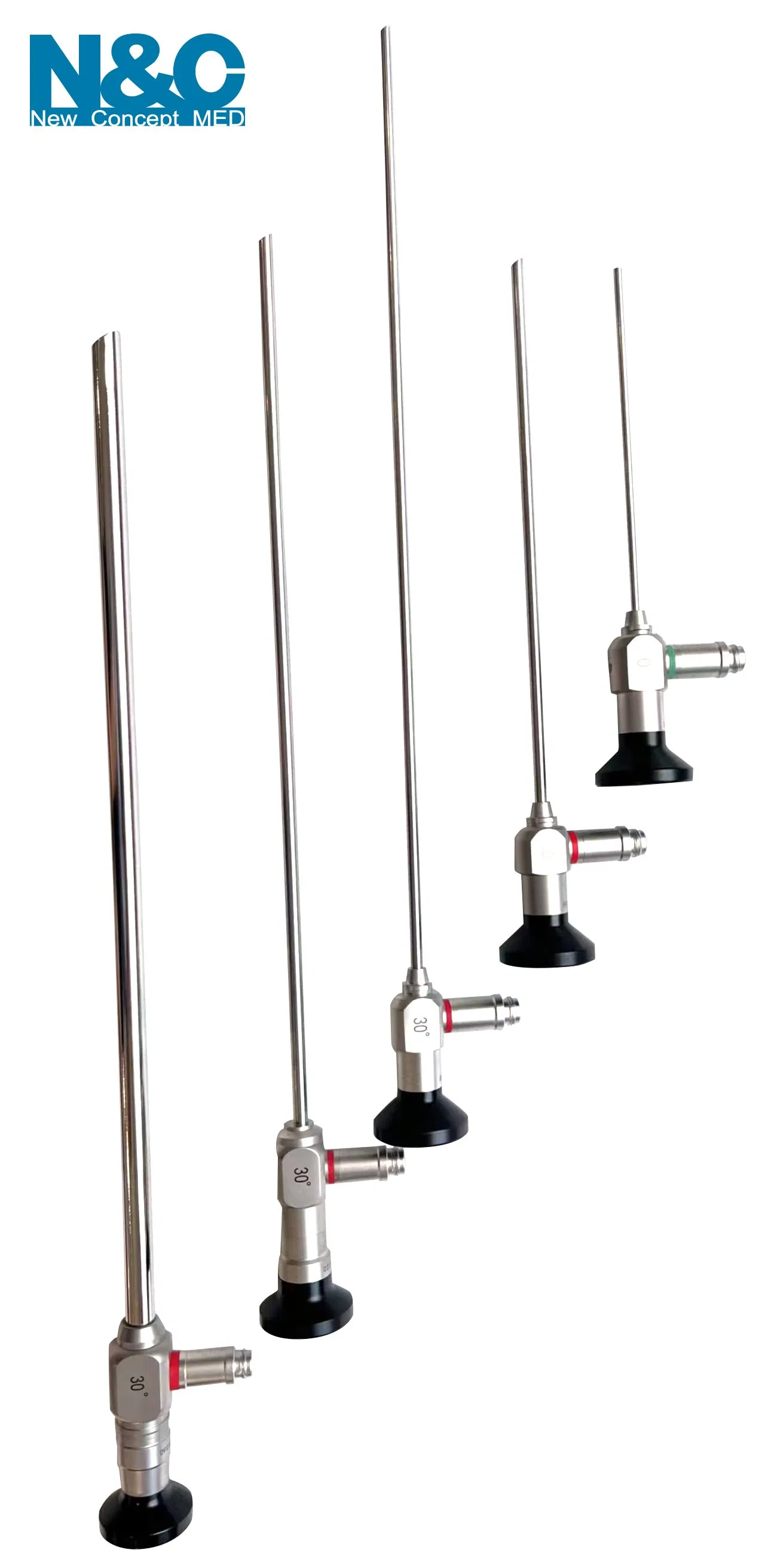
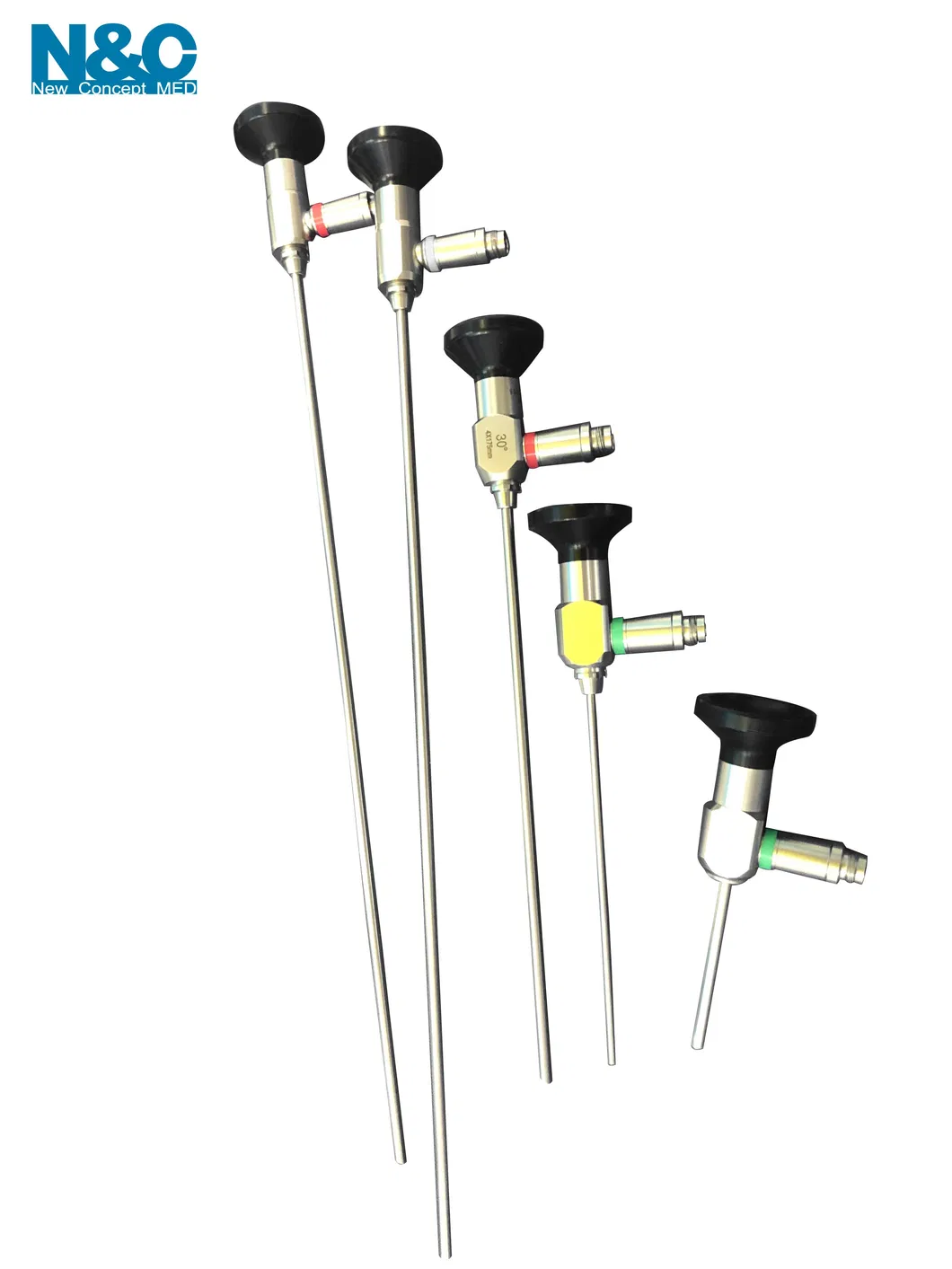
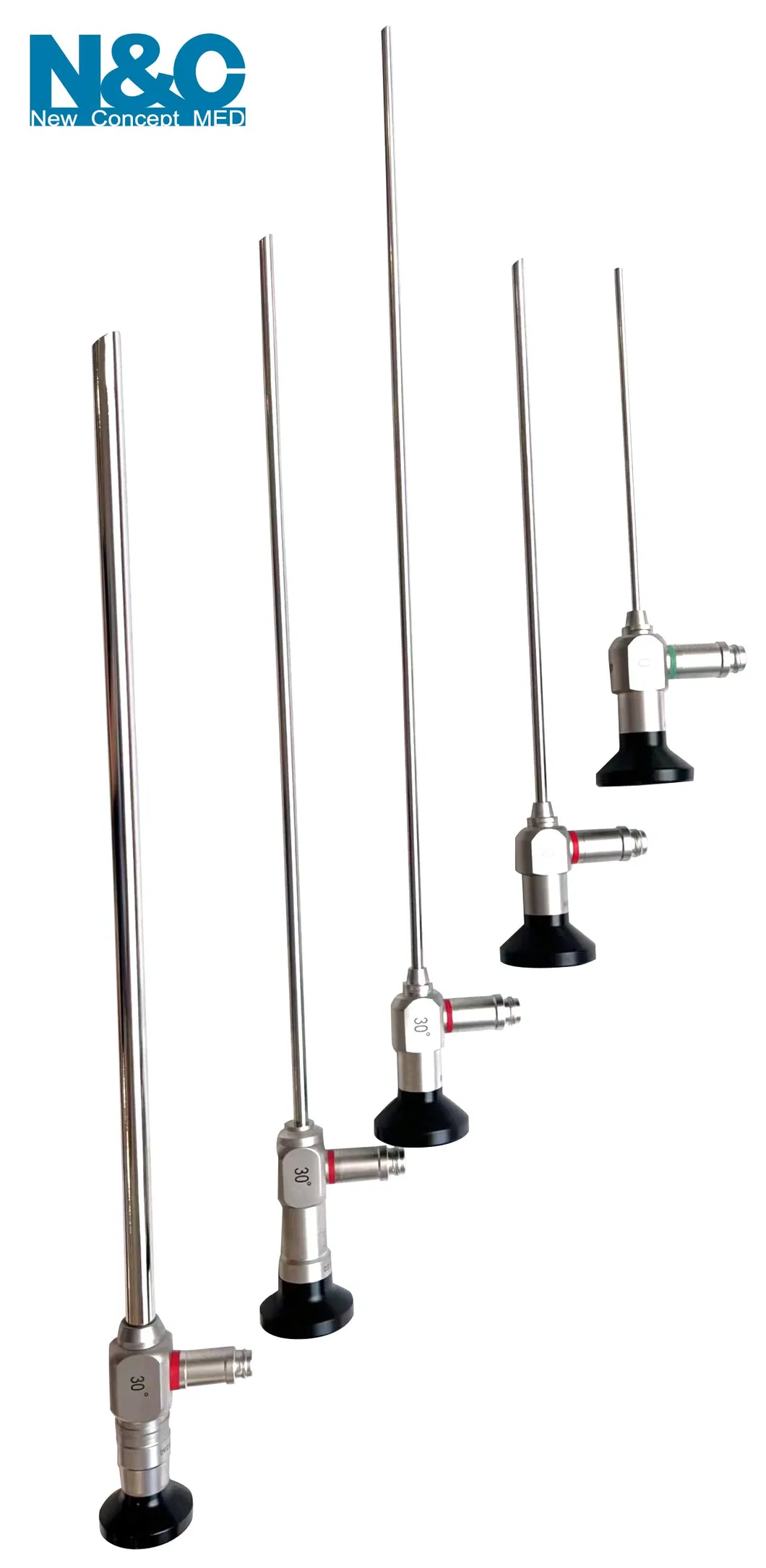
We offer a wide range of angles including 0°, 12°, 30°, 45°, 70°, 90°, and 110° to meet various surgical requirements.
Are these endoscopes compatible with standard medical systems?
Yes, our models include various connector types, such as Stryker connectors, and utilize German optic fiber technology for high-definition imaging compatible with modern systems.
Is the equipment reusable?
Yes, these are professional-grade reusable medical instruments designed for surgery and diagnostic procedures.
What sizes (diameters) do you provide?
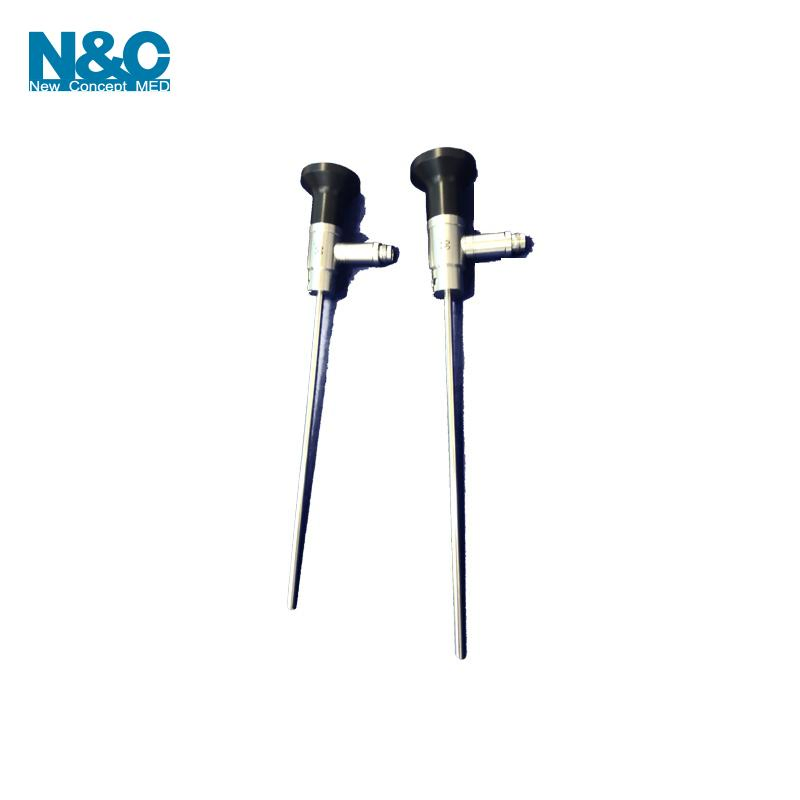
The standard diameters available are 2.7mm, 3mm, and 4mm, with a standard working length of 175mm (and 140mm for specific models).
How does the sapphire lens cover benefit the user?
The sapphire lens cover is extremely hard and resistant to scratches, ensuring a clear field of view is maintained over long-term use without abrasion.
 LeienCare Tech