
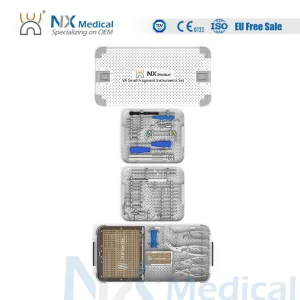
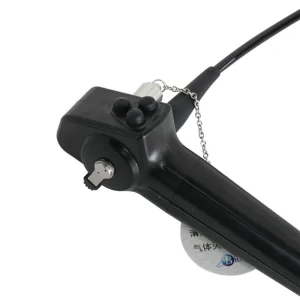
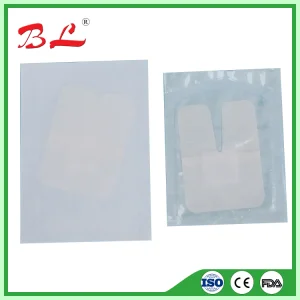
Modern clinical environments demand unprecedented precision. The rise of Minimally Invasive Surgery (MIS) has positioned surgical cameras as the primary sensory interface for surgeons globally. Finding a top-tier surgical cameras manufacturer is no longer just about hardware acquisition; it is about securing a partner capable of integrating optical physics, sensor engineering, and sterile manufacturing under strict regulatory frameworks.
Dongguan LeienCare Tech Co., Ltd. serves as a premier OEM/ODM supplier, bridging the gap between high-precision manufacturing and surgical integration. By providing holistic portfolios including surgical instruments, disposable surgical supplies, and sterile medical consumables, LeienCare Tech supports the seamless deployment of HD and 4K surgical camera networks inside operating theaters worldwide.
Procurement officers and medical distributors evaluate manufacturers on three core pillars:
Based in Dongguan, a global hub for high-precision manufacturing, factories like LeienCare Tech leverage an unparalleled cluster of raw material suppliers, CNC machining centers, and optical element producers. This shortens the lead time from design to market by up to 40% compared to Western counterparts.
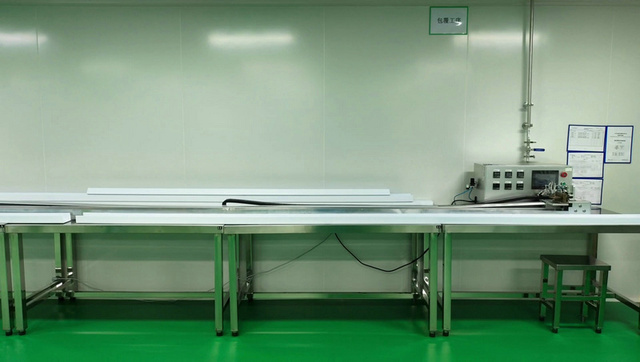
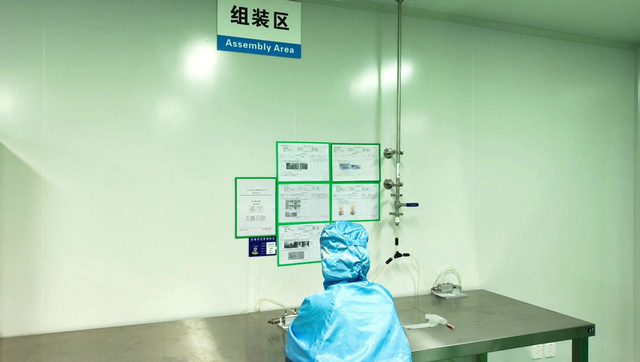
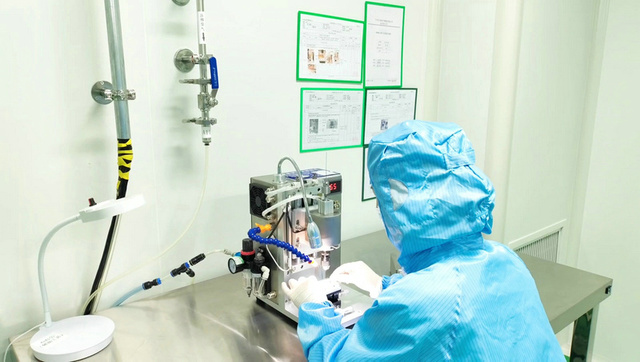
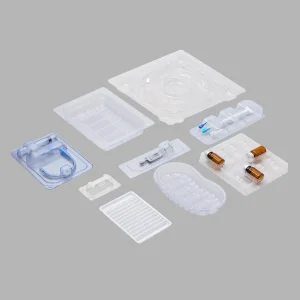
Chinese factories operate under ISO Class 7 and Class 8 cleanroom environments. Automated sterilization verification processes ensure that disposables, packaging trays, and optical camera accessories meet strict international hygiene baselines before shipment.
High-volume production lines reduce unit costs without sacrificing precision. By integrating flexible OEM/ODM workflows, LeienCare Tech provides custom tooling, tailored packaging box designs, and custom medical-grade stainless steel assemblies at competitive price points.
Operating room technology must strictly align with regional healthcare systems. Procurement teams sourcing surgical imaging platforms cannot compromise on compliance frameworks.
A top-tier surgical cameras manufacturer provides localized configurations to support diverse environments. For instance, color temperature profiles are optimized for specific tissue visualization in cardiovascular procedures versus orthopedic surgeries. Standard outputs (3G-SDI, HDMI, DVI) must integrate seamlessly with local telemedicine architectures and Picture Archiving and Communication Systems (PACS).
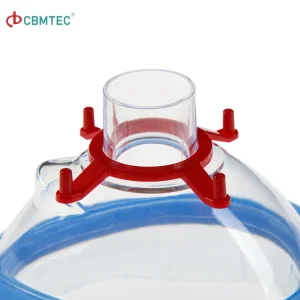
European healthcare markets now mandate compliance with the strict Medical Device Regulation (EU MDR 2017/745). Dongguan LeienCare Tech Co., Ltd. ensures all materials, from polymers used in disposable anesthesia masks to stainless steel alloys in orthopedic instruments, hold verified certification trails.
| Compliance Body | Requirement Parameter | LeienCare Compliance Status |
|---|---|---|
| ISO 13485 | QMS for Medical Devices | Fully Certified |
| EU MDR | CE Mark (Class I, IIa, IIb) | Compliant Portfolio |
| FDA 510(k) | US Market Clearance | Prequalified Materials |
| ISO 11607 | Sterile Barrier Packaging | Fully Certified |
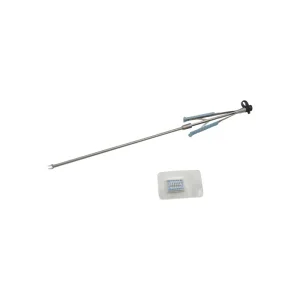
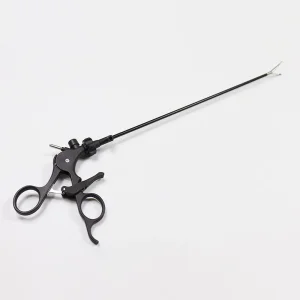
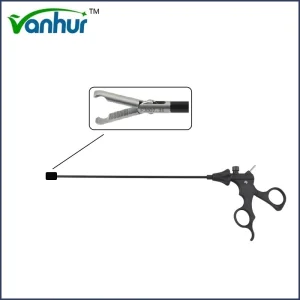
Laparoscopic systems require high light sensitivity and optical purity. Utilizing high-definition camera control units (CCUs) paired with 5mm Laparoscopic Instruments and Hem-O-Lok appliers, surgeons can perform delicate tissue dissections with reduced risk, relying on low-noise video signals that accurately map anatomical details.
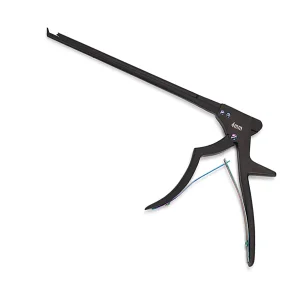
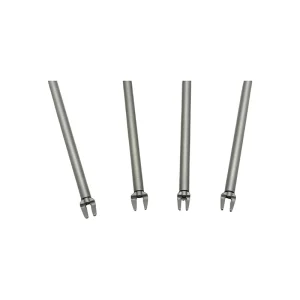
Spine procedures, such as laminectomies, demand specialized instrumentation that performs under tight viewing fields. By integrating black-coated, non-reflective laminectomy rongeurs with surgical microscopy or endoscopes, glare is minimized, optimizing the high-dynamic-range (HDR) capabilities of modern digital camera sensors.
Ureteropyeloscopy requires lightweight, high-performance camera heads. Reusable high-definition endoscopic ureteropyeloscopy instruments must withstand repeated autoclaving or low-temperature hydrogen peroxide gas plasma sterilization without optical degradation or leakage.
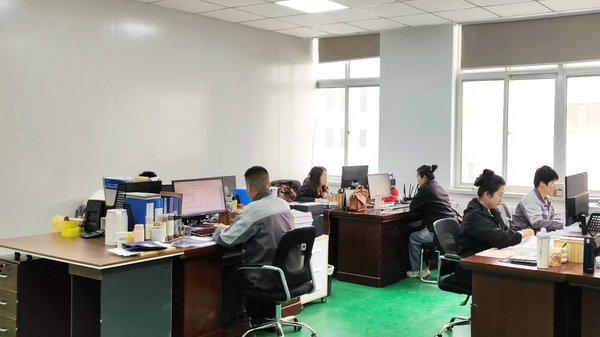
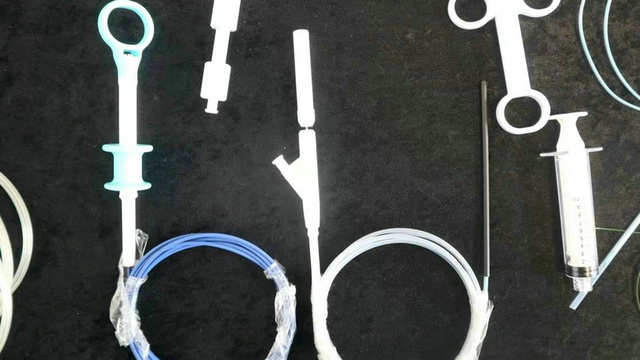
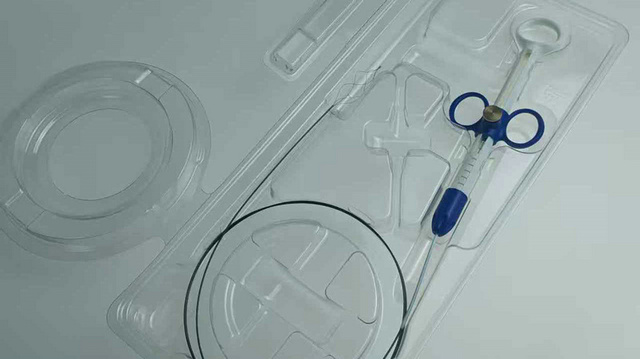
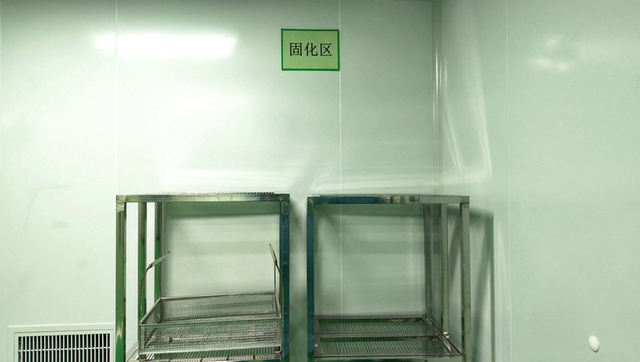
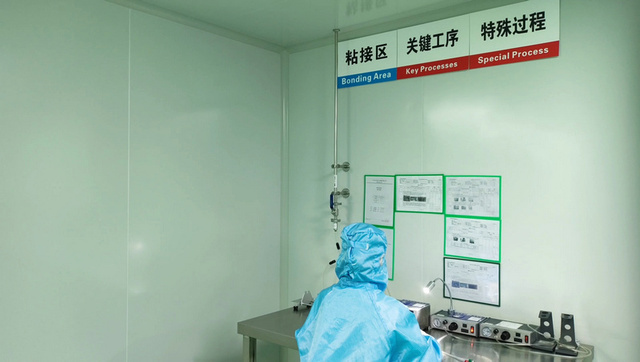
Direct photographic evidence of our state-of-the-art production floors, dust-free packaging zones, and raw material warehousing structures in Dongguan.
Navigating the global market involves assessing both top-tier international brands and high-quality OEM/ODM supply chain leaders. The top 10 positions are generally categorized into legacy multinational brands and engineering-focused manufacturing partners.
| Manufacturer Tier | Primary Technology Focus | Key Strengths | Best Suited For |
|---|---|---|---|
| 1. Global Tier-1 Brands (Karl Storz, Stryker, Olympus) | 4K UHD, 3D, Fluorescence / ICG Imaging, Robotic Integration | Brand equity, extensive direct distribution, clinical standardization. | Large tertiary hospital systems requiring multi-specialty visualization platforms. |
| 2. Advanced OEM Partners (LeienCare Tech, Specialist Design Houses) | Integrated Camera Heads, Custom Sensor Calibration, Complete Instrument Kits | Cost-effective manufacturing, custom packaging, flexible configurations. | Distributors, custom brand owners, ambulatory surgical centers (ASCs). |
| 3. Medical Optics Specialists (German / Japanese Component Makers) | Optomechanics, Coating Technologies, Lens Design | High optical purity, precision zoom mechanisms. | Direct system integrators looking for component-level supplies. |
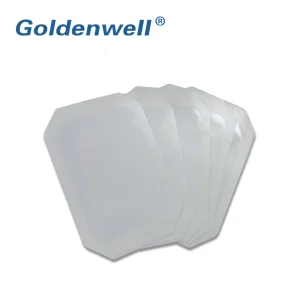
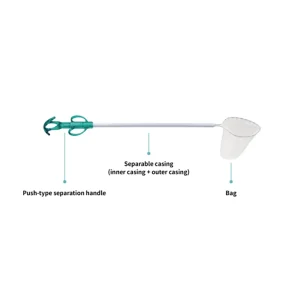
By leveraging Dongguan LeienCare Tech's capabilities, B2B buyers can customize complete surgical setups, sourcing not only camera-compatible endoscopes but also necessary sterile dressings, instrument sterilization trays, and single-use retrieval bags to construct a comprehensive surgical kit under one consolidated brand.
To secure an optimized supply chain, international buyers should follow this checklist when vetting a surgical instruments or camera manufacturer:
Verify the factory's class certification. For surgical and invasive consumables, cleanrooms must comply with ISO 14644 standards, validated by regular third-party environmental particle count reports.
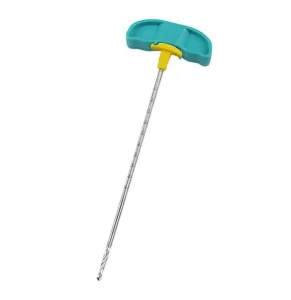
Confirm that stainless steel materials (such as those used in dental root lifters or bone fracture fragments) are certified medical-grade (e.g., SUS 304 or SUS 316L) to prevent patient tissue reactions.
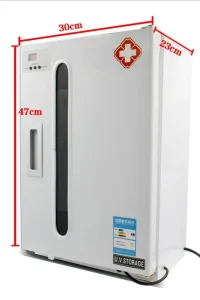
Review the facility's sterilization records. Reusable items require protocols detailing how many autoclaving cycles they can withstand before signal degradation occurs in the electronic components.
Assess the engineering team's capacity to handle custom CAD adjustments for grasping bowls, appliers, and packaging layouts, ensuring quick design turns.
 LeienCare Tech