Engineered for clinical reliability, sterile environments, and optimal surgeon ergonomics

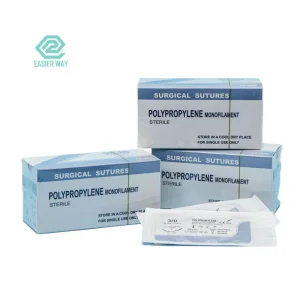
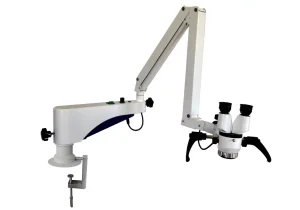
In the complex, fast-paced environment of the modern operating room, surgical patient positioning is a foundational safety and ergonomic discipline. Proper patient positioning on the surgical table is not merely a preparation step; it is a critical intervention that directly affects patient outcomes, surgical exposure, and physiological stability. Surgical positioning devices—including foam headrests, lateral stabilizers, limb supports, gel pads, and specialized orthopedic frames—must act as an extension of the surgical table to neutralize gravitational forces, manage shear stress, and distribute surface pressures.
From a clinical standpoint, a patient under anesthesia loses protective physiological reflexes. They cannot feel pain, adjust their limbs to alleviate pressure, or guard their joints against hyperextension. As a result, prolonged surgical procedures place patients at extreme risk for intraoperative pressure injuries (IPIs), deep tissue damage, and peripheral neuropathies. Common sites of peripheral nerve damage include the ulnar nerve at the elbow, the brachial plexus in the shoulder joint, and the common peroneal nerve along the lateral knee. Manufacturers and suppliers of medical equipment must design solutions that adhere strictly to standards established by organizations like the Association of periOperative Registered Nurses (AORN) and the American Society of Anesthesiologists (ASA).
"Effective patient positioning resolves the delicate tension between providing optimal surgical site exposure for the surgeon and maintaining anatomical and physiological homeostasis for the patient."
Furthermore, tissue reperfusion and microclimate control (moisture and temperature) at the interface of the patient's skin and the positioning device are crucial. High-density viscoelastic foams and medical-grade silicone polymers are now standard materials because they increase the contact surface area, thereby lowering local pressure. This is especially true in cardiovascular, spinal, and neurological procedures where surgery can easily exceed four to six hours.
Dongguan LeienCare Tech Co., Ltd. is a professional manufacturer specializing in surgical instruments, disposable surgical supplies, and sterile medical products, serving global healthcare markets as a reliable OEM supplier. The company is committed to delivering high-quality, safe, and efficient medical solutions for hospitals, clinics, laboratories, and healthcare distributors worldwide.
LeienCare Tech offers a comprehensive product portfolio that includes a wide range of surgical instruments, operating room consumables, sterile packaging solutions, and disposable medical supplies designed to meet diverse clinical requirements. All products are manufactured under strict quality control systems and comply with international medical standards to ensure precision, reliability, and patient safety in critical medical environments.
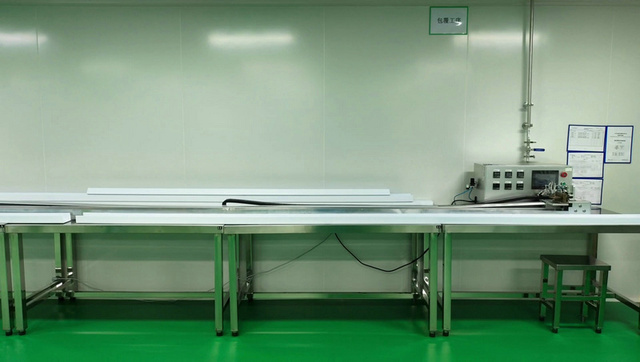
With advanced production facilities, precision manufacturing capabilities, and a strong focus on hygiene and sterilization processes, Dongguan LeienCare Tech Co., Ltd. maintains consistent product quality and scalable production capacity. The company also provides flexible OEM and ODM services, supporting customization in product design, materials, packaging, and private labeling to meet specific customer and market needs.
Driven by innovation, quality assurance, and customer satisfaction, LeienCare Tech continues to expand its global reach. The company is dedicated to supporting healthcare professionals with dependable surgical and disposable medical products that enhance operational efficiency and contribute to improved patient care outcomes.
Why leading global healthcare organizations source critical surgical products from specialized Chinese industrial ecosystems
Dongguan's manufacturing corridor provides unmatched access to rapid prototyping, advanced CNC tooling, mold fabrication, and vertical integration. This ensures that complex components like surgical wire cutters, orthopedic sets, and laparoscopic instruments can go from design concept to validation rapidly.
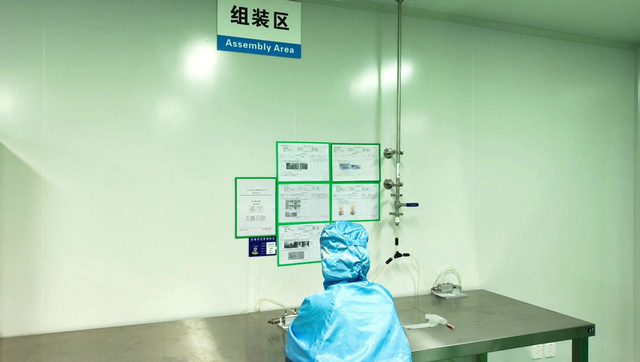
Chinese medical device exporters like LeienCare utilize state-of-the-art cleanrooms (Class 10,000 / Class 100,000) that conform to CE and ISO 13485 regulations. We perform rigorous biocompatibility testing (ISO 10993) on all patient-contact products, guaranteeing complete peace of mind for Western markets.
From medical-grade polyurethane resins and surgical steel alloys to sterile barrier packaging materials, the localized supply chain reduces lead times and cushions global buyers against logistics disruptions. We source raw materials with complete traceability reports from certified suppliers.
Patient positioning solutions do not exist in isolation; they are part of a holistic macro-system including the surgical table, retractors, anesthesia delivery setups, and surgical drapery. A failure in one component can disrupt the entire sterile field or compromise patient vitals. For example, during gynecological or urological laparoscopy, the patient is often placed in a steep Trendelenburg position (tilted head-down). In this scenario, high-quality, slip-resistant lateral positioning pads must secure the patient to prevent sliding, while surgical retractors expose the surgical window, and specialized surgical drapes manage fluid runoff safely.
In spine surgery, such as posterior lumbar interbody fusion (PLIF or OLIF), the prone position is required. The patient's chest and pelvis must be supported on raised bolsters, allowing the abdomen to hang freely. This reduction in intra-abdominal pressure directly decreases venous bleeding at the surgical site, allowing the spinal surgeon to work with greater visualization. Concurrently, specialized instruments, such as orthopedic spine retractors, must maintain exposure without damaging surrounding muscle tissue. The harmony between static patient positioning and dynamic mechanical retraction is crucial for successful outcomes.
“Integrated solutions minimize setup times, reduce the likelihood of contamination, and allow OR staff to focus on clinical procedures rather than equipment troubleshooting.”
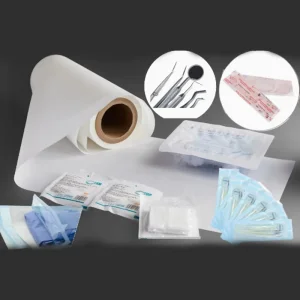
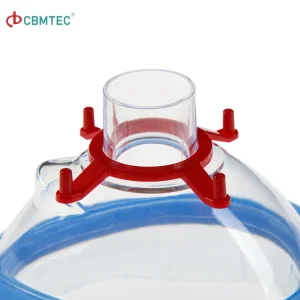
At LeienCare, we realize that global procurement managers prefer unified suppliers who can provide overlapping solutions. Our capabilities span orthopedic instruments, wound retractors, sterile drapes, anesthesia masks, and sterilization pouch products, allowing procurement divisions to streamline their vendor databases and ensure cross-product compatibility.
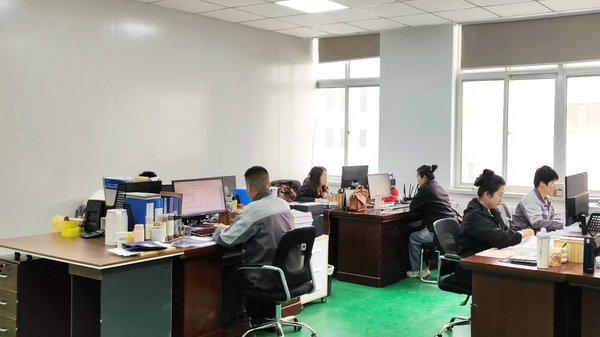
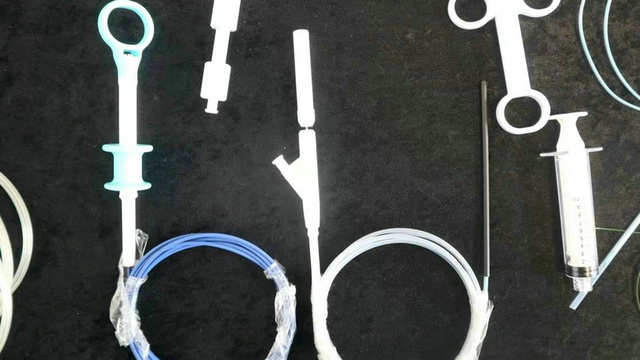
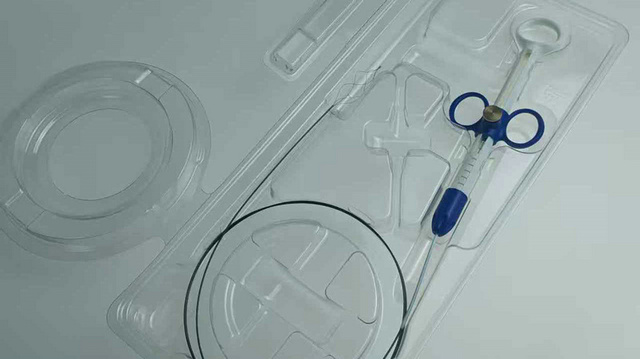
Inside our advanced manufacturing units, packing rooms, and ISO-certified assembly plants
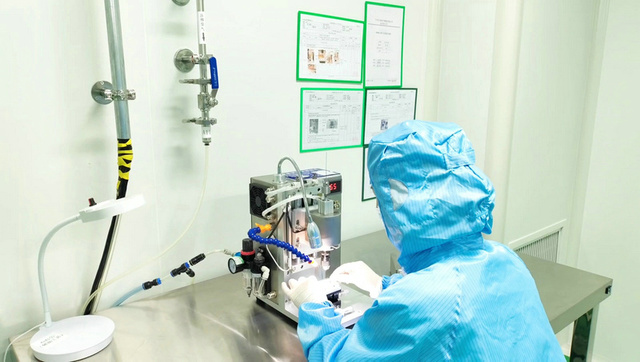
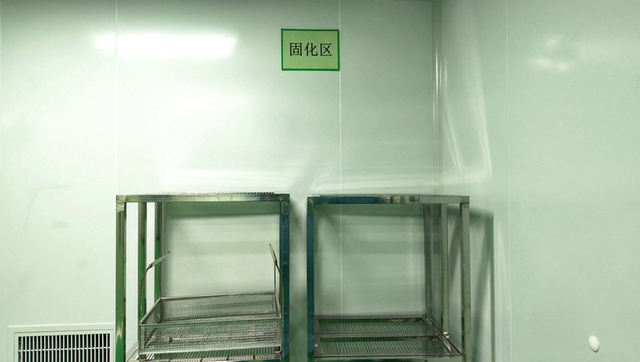
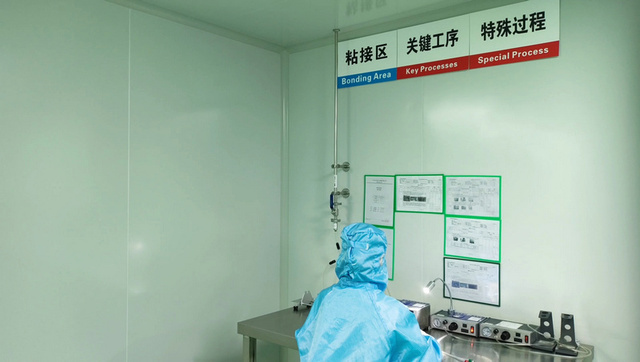
As surgery moves towards ultra-minimally invasive techniques and robotic-assisted setups, the demands on patient positioning have changed dramatically. Robot-assisted surgeries, such as those performed using the da Vinci Surgical System, require the patient to remain completely immobile for long intervals. Because the robotic arms are docked, any shift in the patient's position can lead to severe visceral injuries or mechanical failure. Consequently, modern positioning systems must feature high-friction, non-slip surfaces and secure, anatomically contoured locking mechanisms.
Another prominent trend is the adoption of radiolucent positioning devices. Intraoperative imaging—such as 3D fluoroscopy, C-arm imaging, and intraoperative MRI—is common in spine and orthopedic trauma procedures. Positioning frames, headrests, and support gels must not create imaging artifacts. Modern materials, including high-tech carbon fiber composites and specialized radiolucent polymers, are replacing metals in structural positioning frames.
Finally, sustainability has become a key concern in healthcare purchasing decisions. Medical facilities want to minimize their carbon footprint without sacrificing patient safety. This has spurred demand for bio-based polyurethane foams, eco-friendly anesthesia masks, and recyclable sterile drapes. Manufacturers that innovate in green manufacturing while maintaining sterile barrier packaging standards will hold a competitive edge in global markets.
Addressing the core technical, material, and regulatory inquiries of global medical procurement officers
Reliable components designed for hospitals, clinical distributors, and surgical centers

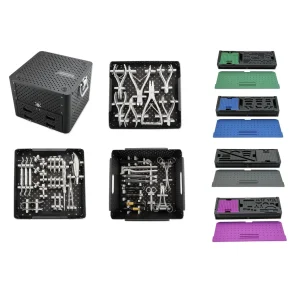

 LeienCare Tech