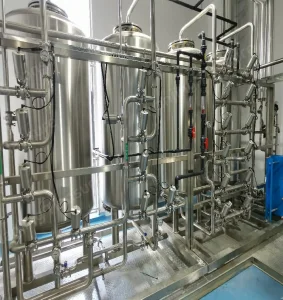
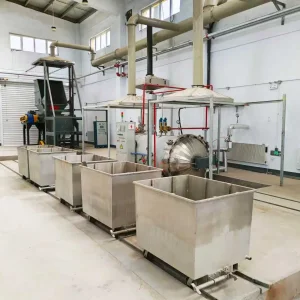
Advanced diagnostic-grade air treatment, continuous loop pure steam generation, and industrial retort autoclaves custom-tailored for immediate deployment in Dominica’s clinical and agricultural networks.
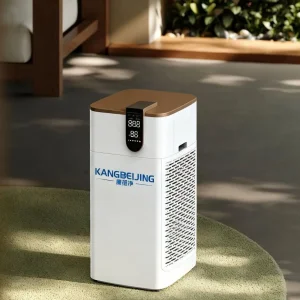
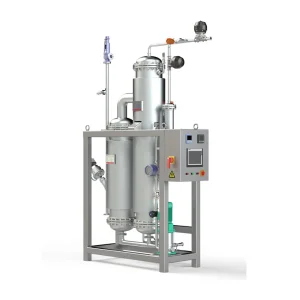
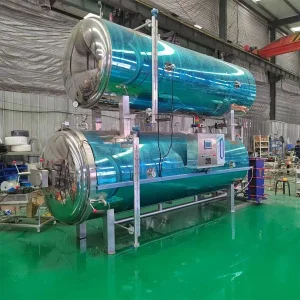
This industry document serves as the definitive guide for infection control deployment, healthcare procurement, and biotechnology sterilization validation within the Commonwealth of Dominica. As Caribbean medical services continue to undergo structural modernization, selecting sterilization systems that can withstand local climate constraints while achieving compliance with global regulatory standards (FDA, CE, ISO 13485) is of paramount importance.
The Commonwealth of Dominica is proactively upgrading its national healthcare delivery systems. Key institutions, such as the Dominica China Friendship Hospital (DCFH) in Roseau, alongside community health facilities in Marigot and Portsmouth, demand a robust, uninterrupted supply of sterilization equipment. Dominica's high relative humidity (often exceeding 80% year-round) and coastal marine environment introduce significant challenges, including rapid oxidation and corrosion of critical medical infrastructure. Consequently, sterilization equipment must be constructed using superior corrosion-resistant materials (such as SUS316L stainless steel chambers) and feature moisture-isolated electronics.
Beyond clinical healthcare, Dominica's burgeoning agro-processing, local beverage, and essential oil extraction sectors require commercial-grade retort sterilizers. To scale agricultural exports (e.g., coconut products, citrus derivatives, hot sauces) safely to international markets, local processors must adhere to stringent thermal processing guidelines. Implementing high-capacity autoclave food sterilizers ensures the elimination of heat-resistant pathogens like Clostridium botulinum, thereby protecting both consumer health and the brand integrity of Dominican exports.
For Dominican healthcare administrators and procurement managers, acquiring sterilization assets involves evaluating total cost of ownership (TCO), logistics, lead times, and post-installation support. Direct sourcing from specialized manufacturing hubs (such as Dongguan LeienCare Tech Co., Ltd.) offers substantial advantages over regional middle-tier distributors, including custom equipment tailoring (OEM/ODM), direct access to critical replacement parts, and deep technical support.
Strategic logistics to the Port of Roseau require meticulous planning. Importing heavy sterilization units, such as industrial autoclave chambers or large pharmaceutical water treatment systems, demands robust, seaworthy crating and vacuum-sealed protective barriers. Selecting equipment designed for multi-voltage compatibility (such as 220V/50Hz grids common in Dominica) helps avoid field failures caused by power fluctuations. Partnering with a manufacturer capable of delivering pre-validated, modular components minimizes on-site installation timelines, helping hospitals maintain continuous service delivery.
Modern hospital operations depend heavily on the Central Sterile Supply Department (CSSD). A modern CSSD requires a structured layout to prevent cross-contamination between dirty, clean, and sterile zones. Our suite of sterilization systems provides comprehensive solutions across this workflow:
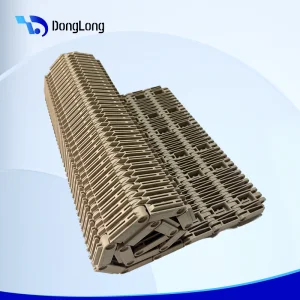
Phase 1: Instrument Preparation & Cleaning. Surgical instruments must be thoroughly pre-cleaned and dried. Utilizing high-durability sterilization trays, such as PPSU (Polyphenylsulfone) autoclavable containers, protects delicate surgical tools during pre-cleaning and subsequent high-temperature steam sterilization cycles.
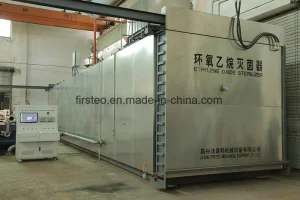
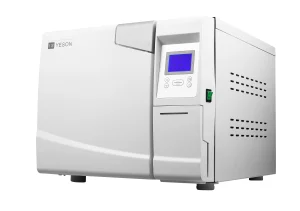
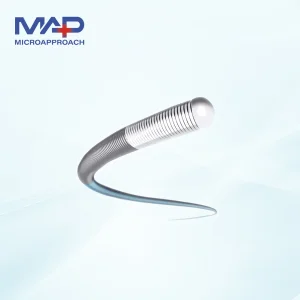
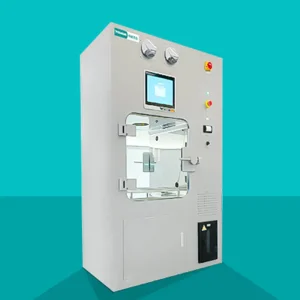
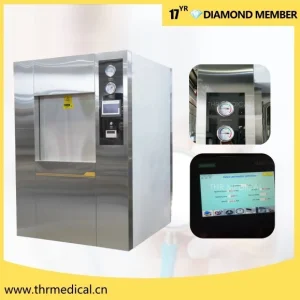
Phase 2: Thermal and Chemical Sterilization. For heat-resistant surgical steel tools, high-pressure pulse vacuum steam autoclaves represent the gold standard. For heat- and moisture-sensitive devices (such as optical endoscopes, micro-guidewires, and complex catheters), low-temperature Ethylene Oxide (EO) chambers or Hydrogen Peroxide Vapor (VHP) systems provide effective sterilization without compromising material integrity.
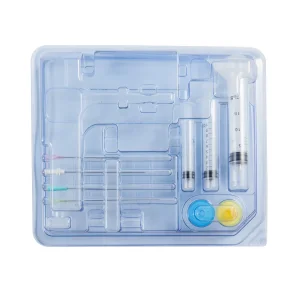
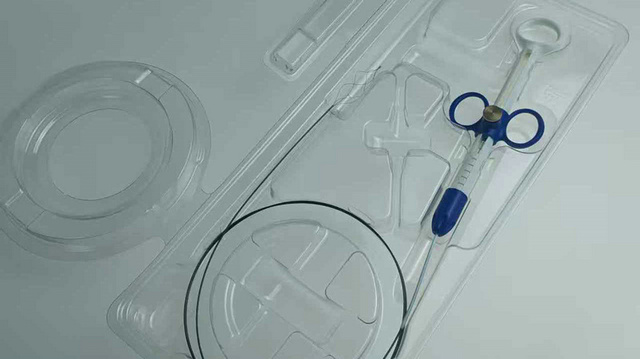
Phase 3: Sterile Barrier Packaging & Storage. Once sterilized, instruments must remain sterile until they reach the operating theater. Selecting medical-grade packaging materials that adapt to EO or steam sterilization ensures long-term sterile barrier integrity, even in high-humidity climates.
The global sterilization market is shifting rapidly from manual, paper-logged validation to automated, cloud-based data tracking. Modern sterilization systems are equipped with smart LCD controllers that record time, temperature, and pressure parameters in real time. This micro-processor control ensures that sterilization cycles meet the criteria for parametric release, minimizing the reliance on biological indicators for every load and improving CSSD efficiency.
In addition, resource efficiency is a key consideration for modern facilities. Dominica's push for sustainable, green public infrastructure aligns with eco-friendly sterilizers that minimize water consumption. Our steam generators and autoclaves feature water-recycling vacuum pumps and energy-saving insulation, reducing utility costs while delivering consistent, high-performance sterilization.
International compliance forms the cornerstone of clinical safety and regulatory acceptance. All products manufactured under the LeienCare banner conform to major global guidelines, including:
Dongguan LeienCare Tech Co., Ltd. ensures that every product is tested for electrical safety, pressure vessel integrity (ASME/CE-PED), and microbiological efficacy before shipment. This level of quality control guarantees that when equipment arrives in Dominica, it is ready to undergo local verification and validation with minimal adjustments.
From chemical gas diffusion chambers to benchtop autoclaves, we supply highly engineered, reliable systems for clinics, cleanrooms, and food processing facilities across Dominica.
A trusted global OEM & ODM manufacturer of surgical instruments, Operating Room consumables, and precision sterilization equipment.
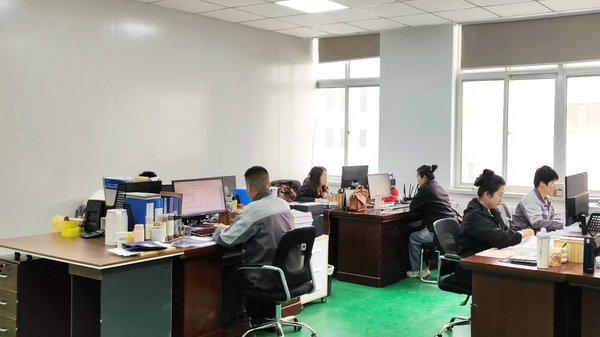
Dongguan LeienCare Tech Co., Ltd. is a professional manufacturer specializing in surgical instruments, disposable surgical supplies, and sterile medical products, serving global healthcare markets as a reliable OEM supplier. The company is committed to delivering high-quality, safe, and efficient medical solutions for hospitals, clinics, laboratories, and healthcare distributors worldwide.
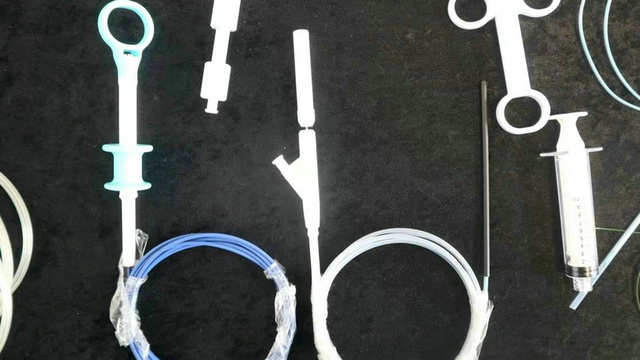
LeienCare Tech offers a comprehensive product portfolio that includes a wide range of surgical instruments, operating room consumables, sterile packaging solutions, and disposable medical supplies designed to meet diverse clinical requirements. All products are manufactured under strict quality control systems and comply with international medical standards to ensure precision, reliability, and patient safety in critical medical environments.
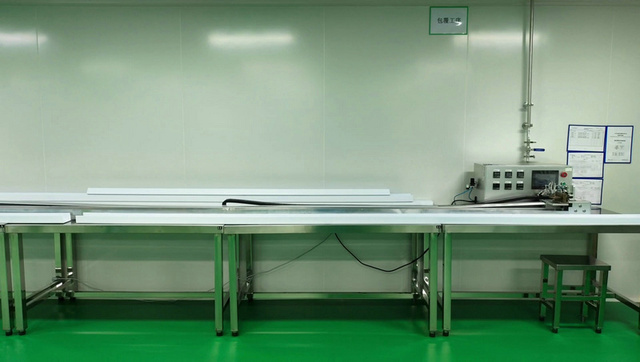
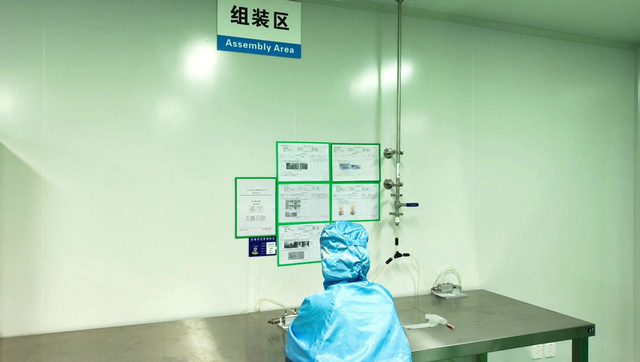
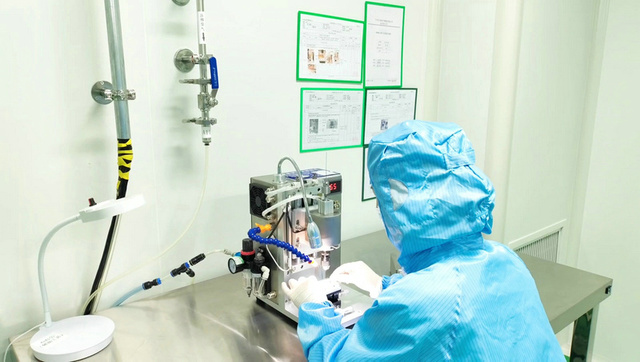
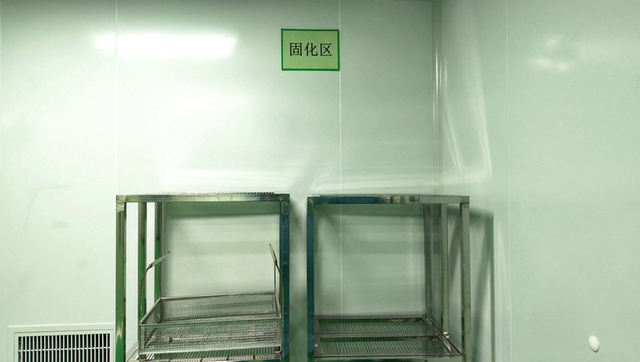
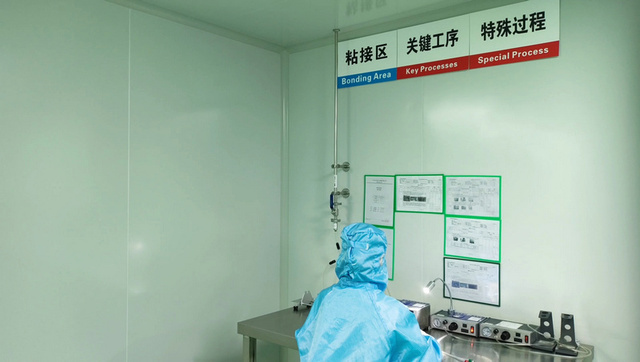
With advanced production facilities, precision manufacturing capabilities, and a strong focus on hygiene and sterilization processes, Dongguan LeienCare Tech Co., Ltd. maintains consistent product quality and scalable production capacity. The company also provides flexible OEM and ODM services, supporting customization in product design, materials, packaging, and private labeling to meet specific customer and market needs.
Driven by innovation, quality assurance, and customer satisfaction, LeienCare Tech continues to expand its global reach. The company is dedicated to supporting healthcare professionals with dependable surgical and disposable medical products that enhance operational efficiency and contribute to improved patient care outcomes.
Technical answers to common logistical and compliance questions for importing high-capacity sterilization equipment into the Caribbean region.
 LeienCare Tech